
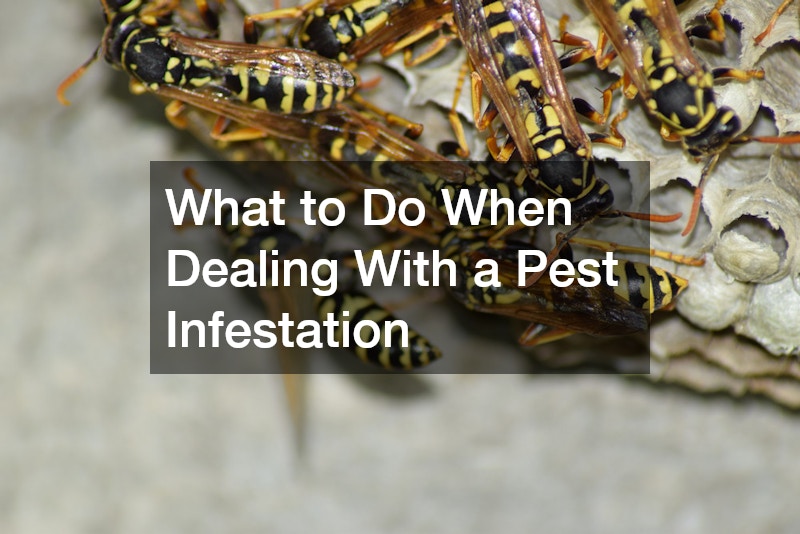
Discovering that your home has become a sanctuary for unwanted guests is a distressing experience. Whether it is the frantic scuttle of tiny legs behind a baseboard, the discovery of chewed pantry items, or the uncomfortable realization that your lawn is being decimated by unseen forces, a pest infestation is more than a nuisance—it is a threat to your property and your peace of mind. For many homeowners, the initial reaction is one of panic or embarrassment, but pest issues are a common part of property ownership that can affect even the most pristine households.
The key to successfully managing an infestation lies in moving from a reactive state to a proactive strategy. Every day that a pest problem goes unaddressed, the population grows, and the potential for structural damage or health risks increases. This comprehensive guide outlines the essential steps to take when dealing with an infestation, from the first sign of activity to long-term landscaping choices that prevent future recurrences.
Identifying Early Signs of Pest Activity Around the Home
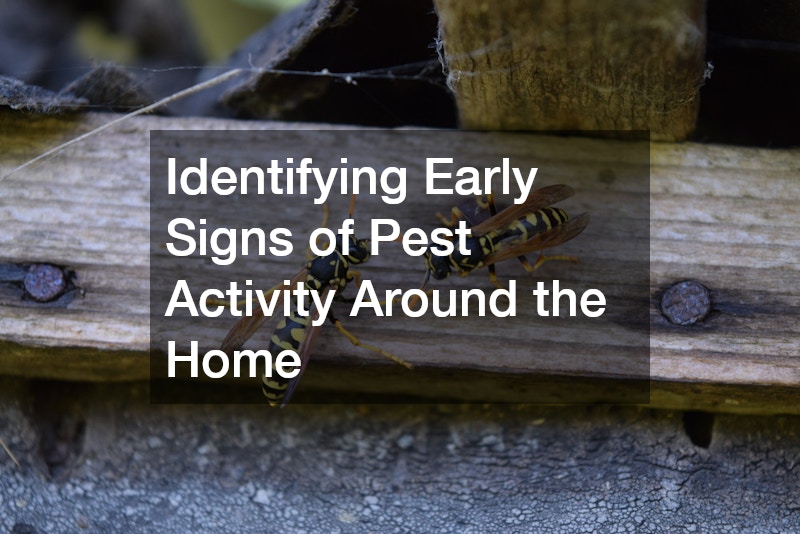
Pests are masters of concealment. They thrive in the shadows, inside walls, and under floorboards, meaning that by the time you actually see a bug or a rodent, the infestation is likely already well-established. Training your eye to spot the subtle, early indicators of activity is the most effective way to save money and stress. Common signs include “frass” (pest droppings), discarded wings, mud tubes along the foundation, or strange greasy rub marks along the bottom of walls where rodents travel.
In many regions, the most silent and destructive threat comes from wood-destroying organisms. Because termites can eat through a home’s structure for years without showing themselves on the surface, many homeowners opt for local termite inspections as part of their annual home maintenance routine. These professional walk-throughs utilize specialized tools to detect moisture and hollowed-out wood that a layperson would easily overlook. Identifying these signs early allows you to intervene before a structural repair becomes necessary, preserving the integrity of your home’s “bones.”
Taking Immediate Steps to Prevent Further Infestation
Once you have confirmed the presence of pests, the clock starts ticking. The first 24 to 48 hours are critical for “denying entry” and “denying resources.” Start by performing a deep clean of your kitchen and dining areas. Crumbs, standing water in the sink, and unsealed bags of pet food act as an open invitation for pests to stay and multiply. Use airtight containers for all food storage and fix any leaking pipes immediately, as many pests are attracted more to moisture than to food.
While DIY traps and sprays may offer a temporary reprieve, they rarely address the source of the colony. To stop the spread effectively, most homeowners reach out to local pest control experts who can create a “perimeter defense.” This involves applying specialized barriers around the exterior of the home to prevent more pests from entering while the internal issue is being addressed. Taking these immediate steps ensures that the problem remains localized rather than spreading from a single room to the entire house.
Working With Professionals to Assess the Situation
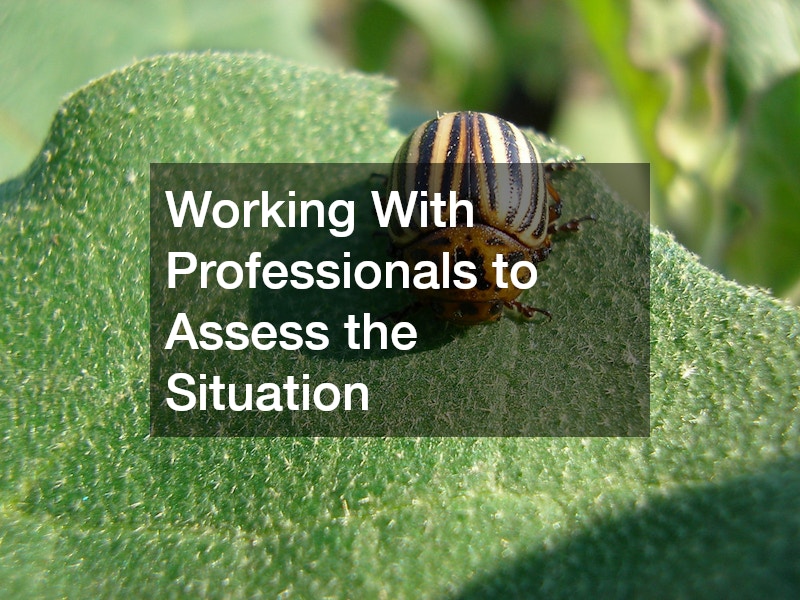
The internet is full of “at-home remedies” for pest control, but many of these can actually make the problem worse by scattering the pests or using chemicals that are unsafe for children and pets. A professional assessment is vital because it moves beyond guesswork. Different pests require vastly different strategies; what kills an ant may have no effect on a cockroach, and what deters a spider might not bother a silverfish.
When you invite local pest control companies to evaluate your property, they perform a forensic analysis of your home. They look for entry points, nesting sites, and the specific species involved. This assessment results in a tailored Integrated Pest Management (IPM) plan, which focuses on long-term prevention and targeted treatments rather than just a “spray and pray” approach. Professional insight ensures that the chemicals used are appropriate for the specific infestation, reducing unnecessary environmental exposure while maximizing the impact on the pest population.
Eliminating Rodents Before They Cause Major Damage
Rodents are among the most destructive pests a homeowner can face. Beyond the “ick factor,” mice and rats have a biological need to gnaw on hard materials to keep their teeth from overgrowing. This often results in chewed electrical wiring—a leading cause of house fires—and ruined insulation contaminated by urine and droppings. Furthermore, rodents carry a variety of pathogens that can be transmitted through contact or contaminated surfaces.
Effective rodent control requires a two-pronged attack: exclusion and elimination. Exclusion involves sealing every hole larger than a dime with steel wool or hardware cloth, as rodents can squeeze through incredibly small gaps. Elimination involves the strategic placement of traps or baits in areas where activity has been observed. A professional will also look for the “scent trails” rodents leave behind, which act as a map for other rodents to follow. By acting quickly, you can remove the current population and “lock the door” behind them, preventing a revolving door of rodent issues.
Addressing Bed Bug Problems Quickly and Thoroughly
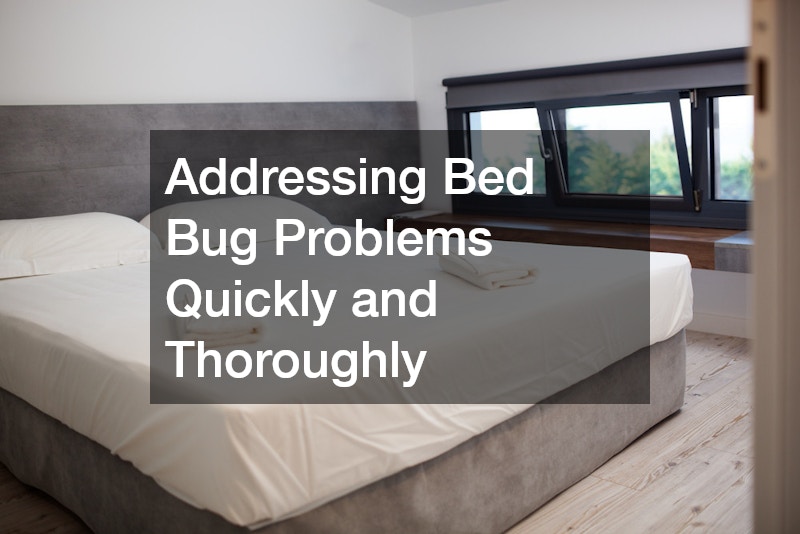
Perhaps no pest carries a heavier psychological toll than the bed bug. These hitchhikers are notoriously difficult to eradicate because they are resistant to many over-the-counter sprays and can survive for months without a meal. They hide in the tiniest crevices of bed frames, electrical outlets, and behind wallpaper, emerging at night to feed.
Because they reproduce so rapidly, bed bug removal must be aggressive and thorough. Professionals often use heat treatments, which raise the temperature of the entire room to a level that is lethal to bed bugs at all life stages, including eggs. Attempting to solve a bed bug problem by simply throwing away a mattress is rarely successful, as the bugs are likely hidden elsewhere in the room. A professional team will provide a detailed checklist of how to prepare your home for treatment, ensuring that every hiding spot is exposed and addressed.
Using Effective Treatments to Remove Persistent Pests
Some infestations are simply more stubborn than others. German cockroaches, certain types of aggressive ants, and wood-boring beetles can seem to vanish only to reappear weeks later. This is often because the treatment did not reach the “heart” of the colony. For persistent issues, you need the specialized equipment and high-grade formulations that only a certified pest exterminator can provide.
These professionals have access to growth regulators, which prevent young pests from reaching reproductive maturity, effectively “breaking the cycle” of the infestation. They also utilize baiting systems that the pests carry back to their hidden nests, killing the colony from the inside out. When dealing with persistent pests, consistency is key; follow-up visits are often necessary to ensure that any newly hatched larvae are dealt with before they can restart the infestation.
Protecting Your Lawn From Underground Pest Damage
Pest control isn’t limited to the interior of your home. Your lawn and garden can host a variety of pests that destroy expensive landscaping from the roots up. One of the most common culprits is the white grub—the larval stage of various beetles. These grubs live in the soil and feast on the roots of your grass, leading to large brown patches that can be rolled up like a carpet.
Enlisting grub control services is essential if you notice an increase in bird or raccoon activity on your lawn, as these animals will tear up the turf to reach the grubs beneath. These services apply specialized treatments to the soil at the specific times in the pest’s life cycle when they are most vulnerable. Protecting your lawn’s root system ensures that your grass remains resilient against drought and foot traffic, saving you the high cost of re-sodding or extensive landscaping repairs.
Maintaining Outdoor Areas to Reduce Pest Habitats
The area immediately surrounding your home dictates how likely you are to suffer from an indoor infestation. Pests are constantly looking for three things: food, water, and shelter. If your landscaping includes overgrown bushes touching the house, piles of damp firewood against the foundation, or clogged gutters full of decaying leaves, you are providing a “superhighway” for pests to enter your home.
Proper maintenance involves keeping a “clear zone” of about 12 to 18 inches between your plants and your home’s exterior. This reduces moisture against the foundation and makes it harder for pests to crawl directly onto your siding or into vents. Regularly pruning trees so their branches do not overhang the roof also prevents squirrels and ants from dropping onto your home. By managing your outdoor environment, you make your property significantly less attractive to nomadic pest populations.
Choosing Low-Maintenance Surfaces That Limit Pest Activity
In recent years, many homeowners have turned to alternative materials to reduce the workload of yard maintenance while simultaneously discouraging pests. Traditional natural grass requires constant mowing, watering, and fertilization—all of which create a damp, nutrient-rich environment that many insects love.
Switching to artificial grass can be an effective strategy for reducing pest activity near the home. Because synthetic turf does not provide a food source for grubs or a damp habitat for crickets and fleas, the pest population in the yard often drops significantly. Additionally, the drainage systems used under artificial turf prevent the standing water that mosquitoes need to breed. Choosing low-maintenance, inorganic surfaces for high-traffic areas creates a “dead zone” for pests, making it much harder for them to establish a foothold on your property.
Managing Outdoor Features That May Attract Pests
Outdoor living features like kitchens, seating areas, and backyard fireplaces are wonderful for entertaining, but they can unintentionally attract pests if not managed correctly. Firewood piles are notorious hiding spots for termites, spiders, and rodents. If you keep wood for your fireplace, it should be stored at least 20 feet away from the home and elevated off the ground to prevent moisture buildup and wood rot.
Similarly, outdoor dining areas should be cleaned with the same rigor as indoor kitchens. Even a small amount of spilled soda or a few dropped chips can attract an army of ants or a family of raccoons. Ensuring that your outdoor trash cans have tight-fitting lids and are located away from the main structure of the house further reduces the “lure” for pests. By enjoying your outdoor features responsibly and maintaining them with an eye toward pest prevention, you can keep the party going without inviting unwanted guests.
Implementing Long-Term Exclusion Strategies for Lasting Protection
The final and most permanent step in handling an infestation is ensuring that once the current population is gone, no new pests can take their place. This process, known as exclusion, involves physically “building out” pests by identifying every potential entry point in the building’s envelope. While a local pest control team can handle the initial knockdown of insects or rodents, a long-term strategy requires a meticulous inspection of your home’s exterior, from the foundation to the roofline. Pests are opportunistic; a mouse can fit through a hole the size of a pen, and ants can follow pheromone trails through microscopic cracks in window seals.
To achieve lasting results, homeowners should work with local pest control companies to install high-quality exclusion materials. This includes using copper mesh or elastomeric sealants to plug gaps around utility pipes, installing heavy-duty door sweeps on all entry points, and ensuring that attic vents are covered with fine stainless steel mesh. Unlike temporary sprays that break down over time, physical exclusion provides a constant, 24/7 barrier. By systematically sealing the “weak links” in your home’s architecture, you move away from the cycle of constant chemical treatments and toward a more sustainable, pest-free environment that preserves the long-term value of your property.
Dealing with a pest infestation is a multi-step process that requires patience, professional expertise, and a commitment to long-term prevention. From the moment you notice the first signs of activity, your goal should be to act decisively. Whether that means scheduling local termite inspections, hiring a pest exterminator for a stubborn problem, or rethinking your landscaping to remove habitats, every action you take makes your home a less hospitable place for pests.
The most successful homeowners are those who treat pest control as an ongoing part of property care rather than a one-time emergency. By maintaining a clean environment, sealing entry points, and working with local pest control companies, you can protect your property’s value and ensure that your home remains a safe, comfortable sanctuary for your family—and only your family. Don’t wait for the problem to grow; address the signs today and regain control of your home.