
In the high-stakes environment of modern petroleum refining, success is measured by a delicate balance of operational uptime, cost efficiency, and rigorous safety standards. Refineries process volatile hydrocarbons under extreme temperatures and pressures, meaning even minor disruptions can cascade into costly shutdowns or dangerous workplace hazards. Amidst the massive cracking units, distillation columns, and cooling towers, specific chemical agents play a quiet but foundational role in maintaining these operations.
One of the most critical of these chemical agents is potassium hydroxide (KOH), commonly known as caustic potash. Used extensively in catalytic processes, impurity removal, and pH regulation, the physical form of this chemical drastically impacts how safely and efficiently a refinery operates.
While traditional flakes and liquid solutions have historical precedence, advanced engineering has made solid briquettes the gold standard for heavy industrial environments. Securing a partnership with a reliable KOH briquette supplier is no longer just a procurement choice; it is a strategic decision that directly safeguards a refinery’s personnel and optimizes its bottom line.
The Critical Role of Potassium Hydroxide in Modern Refining
To understand why the shape and quality of this chemical matter, one must first look at its mechanical purpose within the refining ecosystem. Potassium hydroxide is heavily utilized in hydrofluoride (HF) alkylation units, isomerization processes, and the treatment of liquefied petroleum gas (LPG) streams like propane and butane. In these units, KOH serves as a neutralizing agent to remove acidic impurities, catalysts, and trace moisture that would otherwise cause rapid equipment corrosion.
However, liquid caustic solutions introduce substantial water into systems where moisture must be strictly controlled, and traditional thin chemical flakes break apart far too easily. This physical breakdown creates a variety of operational headaches. When a refinery partners with an experienced KOH briquette supplier, they shift toward a physically robust product engineered specifically to endure the harsh conditions of deep chemical towers and heavy-duty reaction beds.
Mitigating Workplace Hazards Through Low-Dust Engineering
Occupational safety is the highest priority in any petrochemical facility. Traditional KOH flakes or small pellets are notoriously fragile. During transport, unloading, and silo feeding, these fragile shapes rub against one another, creating massive amounts of highly corrosive chemical dust. When workers open drums or supersacks, this dust airborne instantly, posing severe respiratory risks, skin burns, and eye damage to anyone in the vicinity.
Briquettes—often manufactured into dense, smooth “walnut” shapes—possess incredibly high crush strength. They resist breaking down under pressure, which drastically minimizes the generation of airborne particulates. By sourcing materials from a specialized KOH briquette supplier, refineries can substantially lower the Ambient Dust Concentration in their chemical handling zones. This reduces the reliance on extreme personal protective equipment (PPE) setups, simplifies OSHA compliance, and creates a much safer, healthier work environment for the maintenance and operations crews tasked with chemical loading.
Optimizing Fluid Dynamics and Preventing Tower Fouling
Beyond safety, the physical geometry of a chemical agent dictates how efficiently fluids move through a reaction bed. In a neutralization tower, liquid or gas streams are pumped through a bed of solid KOH. For the reaction to occur efficiently, the stream must flow uniformly across the entire bed.
When thin flakes or crushed fragments are used, they pack together tightly over time, a phenomenon known as “channeling” or bridging. This dense packing creates high-pressure drop-offs, forcing the pumps to work harder, consuming more energy, and leaving massive pockets of unreacted KOH completely bypassed by the stream. Briquettes, due to their uniform size and geometry, maintain a consistent void fraction within the bed. This structural stability guarantees an even, predictable flow, eliminates dangerous pressure spikes, and ensures that every square inch of the chemical asset is utilized effectively, maximizing the timeline between maintenance turnarounds.
Streamlining Supply Chain Reliability and Storage Longevity
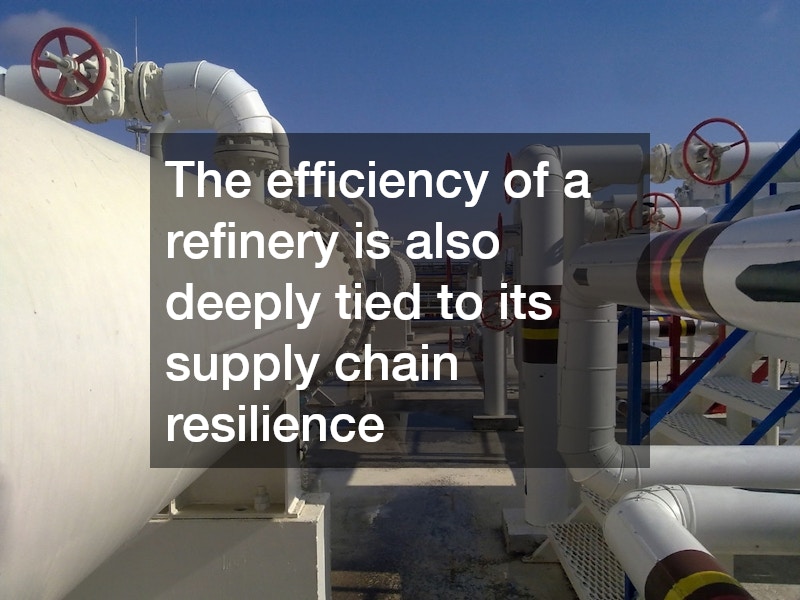
The efficiency of a refinery is also deeply tied to its supply chain resilience. Potassium hydroxide is highly hygroscopic, meaning it aggressively absorbs moisture and carbon dioxide directly from the surrounding air. If left exposed or stored incorrectly, standard flakes will quickly cake together into a single, unusable solid mass, ruining entire batches of inventory.
Industrial-grade briquettes have a lower surface-area-to-mass ratio compared to thin flakes, making them inherently more resistant to ambient moisture absorption during storage. Furthermore, top-tier suppliers ship these materials in heavy-duty, moisture-sealed drums or specialized supersacks designed to withstand long-term storage without degradation. Having a dependable supplier ensures that when emergency inventory is called upon during an unexpected process upset, the material is free-flowing, chemically potent, and ready for immediate deployment.
Every component within a refinery’s chemical supply chain must justify its place through proven safety and economic returns. While potassium hydroxide is a fundamental utility, the physical delivery mechanism of the chemical dictates its ultimate value. Transitioning away from dusty, fragile flakes toward dense, uniform briquettes directly addresses the dual mandates of heavy industry: keeping workers safe and keeping the plant running at peak capacity. By aligning with an established supplier capable of delivering high-purity, structurally sound materials, a refinery can eliminate operational bottlenecks, reduce equipment wear, and fortify its workplace safety culture for years to come.