

Purchasing a home is easily one of the most significant financial investments you will ever make, filled with excitement and a fair share of anticipation. However, the period between having an offer accepted and closing the deal is often fraught with hidden anxieties, most of which surface during the home inspection. A qualified home inspector acts as your property detective, uncovering the structural, mechanical, and safety issues that a simple walkthrough would never reveal. While some inspection findings are minor cosmetic fixes that can be easily handled over a weekend, others are massive financial traps that can drain your bank account and turn your dream home into a living nightmare. Understanding which issues represent minor inconveniences and which ones are absolute dealbreakers is the key to protecting your hard-earned money and your peace of mind.
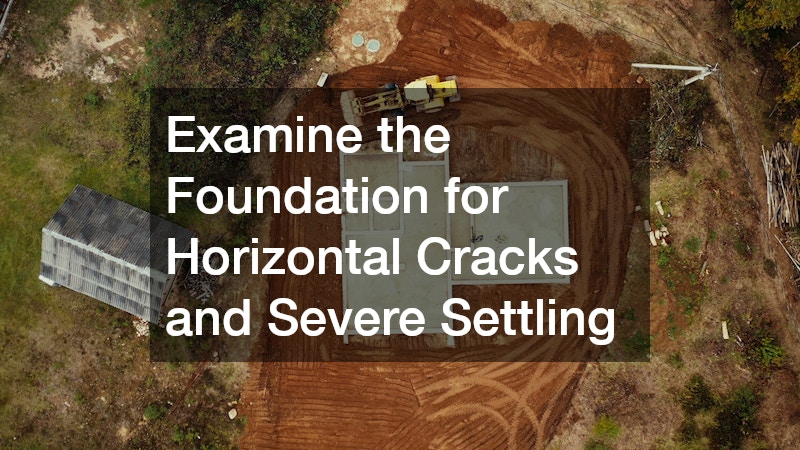
Examine the Foundation for Horizontal Cracks and Severe Settling
The foundation is the literal bedrock of your entire home, supporting every ounce of weight from the floorboards to the roofline. When an inspector notes horizontal cracks in a concrete block or poured foundation wall, it is an immediate red flag that indicates severe hydrostatic pressure from the surrounding soil is pushing the walls inward. Unlike minor vertical hairline cracks, which are common results of natural concrete curing, horizontal shifting compromises the structural integrity of the entire building. Rectifying these foundational shifts often requires extensive excavation, the installation of heavy-duty steel I-beams, or underpinning with deep piers to stabilize the structure.
Failing to address a failing foundation can lead to a cascading failure of other home components, resulting in jammed doors, sloping floors, and cracked drywall throughout the living spaces. Before you consider moving forward with a property displaying these symptoms, you must hire a licensed structural engineer to evaluate the extent of the movement and provide an unbiased repair estimate. Sellers are often reluctant to foot the bill for foundation stabilization because it is an expensive, invisible repair that does not add aesthetic value to the home. If the seller refuses to offer a substantial price reduction or cover the repair costs entirely, this is a clear signal that you should walk away from the transaction.
Audit the Main Electrical Panel for Dangerous Outdated Components
An outdated or improperly wired electrical panel is not just an inconvenience; it is a severe fire hazard that puts your family and your property at constant risk. Houses built between the 1960s and 1980s frequently feature notorious electrical panels, such as those manufactured by Federal Pacific Electric or Zinsco, which have a documented history of failing to trip during a power surge. When an inspector opens the service panel and discovers these obsolete systems, or notices hazardous aluminum branch wiring, it demands immediate attention from qualified professional technicians. Upgrading an entire electrical system to meet modern safety standards requires pulling permits, replacing the main service panel, and sometimes completely rewiring the home to handle contemporary appliance loads.
To ensure your potential home is safe and insurable, you will want to consult with a reputable local business specializing in electrical services to assess the system. Many traditional homeowner insurance companies will outright deny coverage or charge exorbitant premiums if they discover a home still relies on active knob-and-tube or ungrounded two-slot wiring configurations.
- Federal Pacific Federal (FPE) Panels: Known for breaker failures that lead to overheating and electrical fires.
- Zinsco Panels: Frequently experience circuit breakers that melt directly onto the main bus bar, preventing them from tripping.
- Aluminum Wiring: Prone to overheating at connection points, creating a silent fire hazard inside the walls.
- Over-fused Circuits: Occur when a breaker is too large for the wire gauge, risking extreme heat buildup before the breaker cuts power.
Securing a detailed line-item quote from an expert provider will give you the exact leverage needed to ask the seller for an appropriate closing cost credit. If the current homeowner is unwilling to subsidize the replacement of a hazardous electrical system, you must recognize that taking on this liability yourself could cost you thousands of dollars the moment you take possession of the keys.
Scrutinize the Main Waste Line for Root Intrusion and Collapsed Pipes
While buyers easily notice beautiful bathroom fixtures, the true health of a home’s waste system lies completely out of sight beneath the ground. A standard home inspection rarely covers the interior of the main sewer lateral line, which connects the house to the municipal sewer system or a private septic tank. Requesting a specialized sewer scope inspection is crucial, especially for older properties surrounded by mature trees whose roots naturally seek out moisture and nutrients inside underground pipes. If the scope reveals collapsed clay pipes, severe root intrusion, or significant low spots known as “bellies,” you are looking at an incredibly disruptive and expensive excavation repair.
Dealing with a compromised waste line means dealing with recurring, unhygienic backups that can ruin lower levels and create massive headaches. To determine the true condition and fix these buried issues, you should contract a professional plumbing service to run a diagnostic camera through the lines. Modern repair methods like trenchless pipe lining can sometimes mitigate the damage without tearing up the yard, but traditional excavation remains necessary for completely collapsed lines.
- Clay and Cast Iron Pipes: Highly susceptible to cracking, rusting, and collapsing over decades of shifting soil.
- Orangeburg Pipes: Made of bituminized fiber, these vintage pipes are notorious for flattening and disintegrating entirely over time.
- Tree Root Penetration: Roots enter through tiny pipe joints, expanding until they completely block or shatter the waste line.
- Sewer Pipe Bellies: Sagging sections where waste settles, creating chronic blockages and foul odors.
A failing sewer main is a non-negotiable issue that must be addressed before closing, as municipal entities will not cover repairs on private property. Ensuring this system is fully functional protects your budget from sudden, unbudgeted emergency expenses right after moving day.
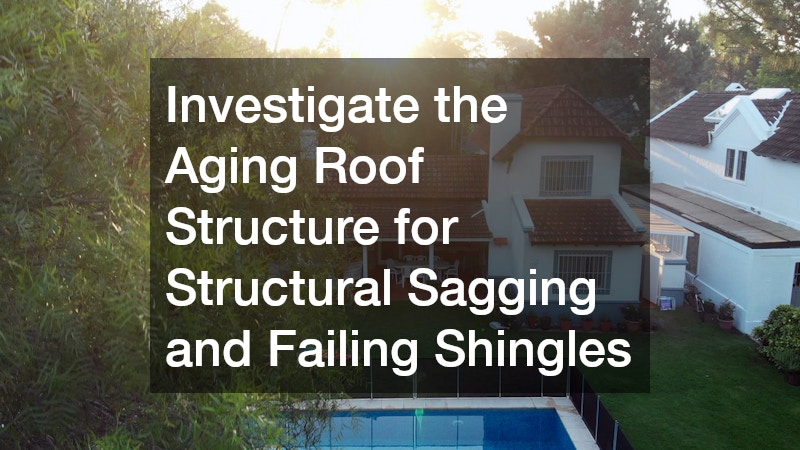
Investigate the Aging Roof Structure for Structural Sagging and Failing Shingles
The roof is your home’s primary defense against the elements, and its premature failure can lead to catastrophic water damage throughout the upper levels of the structure. During an inspection, the inspector will look closely for curling shingles, missing flashing, bald spots where protective granules have washed away, and any physical sagging along the ridge line. A sagging roofline often points to deeper architectural problems, such as broken rafters, compromised trusses, or rotted plywood decking resulting from chronic, unaddressed moisture intrusion. Replacing a roof entirely is one of the most expensive capital improvements a homeowner can face, routinely scaling into five-figure territory depending on the square footage and materials used.
When an inspection report highlights an aged roof nearing the absolute end of its functional lifespan, it is imperative to contact a licensed roofing company for a comprehensive evaluation. A certified contractor can provide an accurate estimate of the remaining life of the roof and detail the exact costs associated with a total tear-off and replacement. Furthermore, trying to secure a standard homeowner’s policy on a property with a roof older than fifteen to twenty years can be incredibly difficult in today’s stringent insurance market.
If the roof requires immediate replacement to protect the home from active leaks, you must insist that the seller handles the replacement prior to closing or provides an equivalent credit. Taking on a house with a failing roof without financial compensation means absorbing a massive financial blow that can instantly deplete your emergency savings.
Check the Home Exterior for Rotten Wood and Poorly Installed Siding
A home’s exterior cladding does much more than provide curb appeal; it forms a protective envelope that shields the framing from moisture, wind, and pest infestations. Inspectors often find compromised exterior walls where improper flashing around windows, doors, and roof intersections has allowed water to seep behind the exterior finish. Over time, this trapped moisture rots the structural wood sheathing and studs, creating a soft, decayed mess that compromises the home’s structural stability and fosters toxic mold. Identifying soft spots around the lower perimeter of the house or noticing warped, buckling exterior panels are clear signs that the exterior envelope has failed significantly.
To properly diagnose and remedy extensive exterior damage, you will need to engage professional siding services to determine how deep the moisture penetration has gone. In many cases, what looks like a simple cosmetic blemish on the surface requires stripping away large sections of cladding to replace completely rotted OSB sheathing underneath.
- Failing Fiber Cement: Improperly sealed or cleared fiber cement boards absorb ground moisture, leading to delamination and crumbling.
- Warped Vinyl Panels: Melted or buckled vinyl often indicates improper installation without room for thermal expansion or exposure to intense reflected heat.
- EIFS (Synthetic Stucco) Issues: Notorious for trapping moisture against the wood framing if a proper drainage plane was omitted during construction.
- Rotten Wood Trim: Soft trim boards around windows allow water to bypass the exterior barrier and enter the interior wall cavities.
Neglecting these exterior warnings can lead to incredibly high repair bills down the road when the internal framing eventually gives way. Forcing these repairs into the open during negotiations ensures you won’t be stuck fixing the previous owner’s deferred maintenance.
Look for Hidden Water Damage Signs Under Floorboards and Behind Drywall
Water is a silent destroyer capable of rotting wood, destroying personal property, and encouraging toxic mold growth long before it becomes visible on the surface. Home inspectors utilize specialized moisture meters and thermal imaging cameras to peer behind pristine coats of fresh paint that sellers might use to mask chronic leaks. If the inspection reveals elevated moisture levels in the drywall beneath a bathroom or dark, soft staining along the baseboards, you are likely looking at a long-term active leak. These hidden moisture pockets quickly ruin subfloors and compromise joists, transforming a seemingly simple fix into a major structural remediation project.
When faced with widespread, hidden moisture issues that have already compromised the home’s interior finishes, it is highly recommended to seek guidance from certified water restoration services. These specialists possess the industrial drying equipment, moisture mapping tools, and antimicrobial treatments necessary to thoroughly dry the structure and prevent mold spores from multiplying. Additionally, if the water intrusion has saturated the flooring, you may simultaneously need to consult a professional carpet cleaning business to assess whether the underlying pads can be salvaged or if the fabrics have suffered permanent biological contamination.
Attempting to resolve a severe water intrusion issue by simply stopping the source leak is never enough if the internal materials remain damp and structurally degraded. Homeowners who ignore these signs often find themselves paying for extensive mold remediation and structural rebuilding months after closing. Ensuring the seller pays for professional mitigation before you sign the final paperwork is the only way to guarantee your new living environment remains safe and dry.

Sniff Out Biological Volatile Organic Compounds and Hidden Pests
A home should be a safe haven, but hidden biological threats like toxic mold and active wood-destroying insect infestations can quickly turn it into a hazardous environment. When walking through a basement or crawlspace, a distinct, musty odor is a strong indicator of mold growth fueled by high humidity or poor ventilation. Similarly, the presence of fine wood powder, hollow-sounding structural beams, or mud tubes along the foundation indicates that termites or carpenter ants are actively eating away at the home’s wooden skeleton. These pests can cause severe structural damage silently for years, compromising floor joists, sills, and studs without ever showing themselves in the main living areas.
Addressing an active infestation or a severe mold outbreak requires specialized intervention to ensure the problem is completely eradicated rather than just temporarily masked. You should immediately hire qualified pest control services to conduct a thorough wood-destroying organism (WDO) inspection and outline a comprehensive treatment plan.
- Subterranean Termites: Build mud tubes to travel from the soil into your home’s wooden framing, destroying wood from the inside out.
- Carpenter Ants: Excavate smooth galleries inside structural wood to build nests, severely weakening the framing over time.
- Powderpost Beetles: Reduce wood to a fine, flour-like powder as their larvae bore through structural timbers and flooring.
- Toxic Black Mold (Stachybotrys): Thrives in chronically damp, hidden cavities, releasing airborne spores that can cause severe respiratory issues.
Leaving a pest or mold problem unaddressed can lead to thousands of dollars in structural damage and pose serious health risks to your family. Insist that the seller provides a clear pest certification and a professional mold clearance report before you agree to move forward with the purchase.
Assess the Condition and Lifespan of the Complete HVAC System
A home’s heating, ventilation, and air conditioning system is vital for maintaining a comfortable, healthy indoor environment throughout the changing seasons. During an inspection, the technician will evaluate the age of the furnace, the condition of the air conditioning compressor, and the overall integrity of the ductwork network. An HVAC system that is well past its expected lifespan, exhibiting cracked heat exchangers or short-cycling behavior, represents a massive immediate expense for a new homebuyer. A cracked heat exchanger is particularly dangerous, as it can leak lethal carbon monoxide gas directly into the home’s living spaces, making replacement an urgent safety priority.
To properly evaluate a questionable heating or cooling system, you need to bring in an experienced, independent HVAC company to perform a detailed diagnostic check. They can pressure-test the system, measure airflow efficiency, and provide an accurate quote for a modern, energy-efficient replacement if the current units are failing.
Replacing a complete heating and cooling system, along with correcting poorly installed ductwork, can easily cost thousands of dollars that you might not have right after closing. Securing a credit from the seller to cover these mechanical upgrades ensures you won’t be left shivering in the winter or sweating through the summer.
Check the Integrity and Safety of Heavily Altered Interior Fixtures
While structural and mechanical systems are critical, high-end interior fixtures also require close inspection to ensure they were installed safely and correctly. For instance, large, heavy installations like modern frameless enclosures require precise anchoring into solid wall blocking rather than just simple drywall anchors. If an inspector finds that a heavy shower glass panel is loose, improperly sealed, or misaligned, it poses a severe safety hazard, as tempered glass can shatter violently under uneven stress. Furthermore, poorly installed glass panels allow water to spray directly onto unprotected bathroom floors, leading to hidden rot in the subfloor over time.
Ensuring these heavy glass fixtures are properly secured and perfectly aligned protects your family from accidental breakages and keeps water contained where it belongs. If the inspection reveals loose hinges or improper sealing, demand that a glass specialist correct the installation before you finalize the purchase. Taking the time to verify the safety of these heavy interior features prevents dangerous accidents and avoids costly bathroom repairs down the road.

Inspect the Mounting and Alignment of Built-In Kitchen Components
Kitchen renovations are a major selling point, but amateur installation work can hide significant structural and safety hazards behind beautiful finishes. When inspecting a kitchen, the inspector will check that heavy wall cabinets are securely fastened to the wall studs using appropriate cabinet screws rather than weak drywall fasteners. If a set of heavy custom cabinets begins to pull away from the wall due to poor installation, it creates a dangerous hazard that could lead to a catastrophic collapse under the weight of your dishes. Additionally, misaligned cabinetry can cause uneven weight distribution, putting unnecessary stress on the underlying flooring and causing integrated countertops to crack along their seams.
- Improper Fasteners: Using standard drywall screws instead of heavy-duty cabinet screws can cause the fasteners to shear under a heavy load.
- Missing Stud Alignment: Failing to anchor cabinets directly into structural wall studs causes the heavy units to rely solely on fragile drywall.
- Uneven Installation: Misaligned cabinets put twisting forces on stone countertops, frequently leading to expensive cracks along the seams.
- Poor Backing Support: Island cabinets without proper floor anchoring can easily tip over when heavy drawers are fully extended.
Verifying that all built-in kitchen components are level, plumb, and securely anchored protects your investment and ensures your kitchen remains a safe environment. If the cabinetry shows signs of sagging or improper mounting, require the seller to have a professional contractor reinstall it securely before closing.
Navigating a home inspection report can feel overwhelming, but understanding which issues represent true dealbreakers empowers you to make smart, logical decisions throughout the buying process. Structural damage, failing roofs, outdated electrical systems, and hidden water damage are not simple DIY fixes; they are complex, expensive problems that require professional expertise and significant financial resources to resolve. By identifying these major issues early, you protect yourself from walking into a financial trap that could drain your savings and overshadow the joy of owning a new home.