

Selling a home is often treated as a pricing exercise, but condition plays an equally important role in the offers a property receives. Buyers do not evaluate a house only by its square footage, neighborhood, or number of bedrooms. They also consider how much work the home appears to need, how soon they can move in, and whether hidden problems may surface after closing.
A well-prepared property gives buyers fewer reasons to hesitate. Even modest improvements can make the home feel better maintained and more dependable. That confidence can lead to stronger offers, fewer repair demands, and a smoother path to closing.
Pre-listing improvements do not require rebuilding the entire property. The goal is to identify issues that could weaken buyer interest, create inspection problems, or encourage aggressive negotiations. Sellers should focus first on safety, function, moisture control, structural condition, and visible signs of neglect. Cosmetic upgrades can help, but they are most effective after larger concerns have been addressed.
The strongest preparation plan begins with an honest evaluation. Instead of viewing the property as a longtime owner, a seller should try to see it as a cautious buyer who is noticing every stain, crack, noise, and unfinished repair for the first time.
Evaluating the Exterior Through a Buyer’s Eyes

The outside of a home establishes expectations before a buyer reaches the front door. Peeling paint, damaged trim, loose gutters, cracked materials, or missing shingles can make the property appear neglected, even when the interior is in good condition.
Start by walking across the street and viewing the house from a distance. Notice whether the roofline looks uneven, whether exterior materials appear faded or damaged, and whether landscaping blocks important features. Then walk around the property slowly. Look for loose boards, gaps around windows, drainage problems, and areas where water may collect near the foundation.
A roof replacement may be worth considering when the current system is near the end of its useful life, has widespread damage, or is likely to raise concerns during the buyer’s inspection. Sellers should not automatically replace a roof because it is older, but they should understand its condition and be prepared to explain any repairs or remaining warranty coverage.
When exterior cladding is cracked, warped, or visibly deteriorated, consulting siding contractors can help determine whether targeted repairs are sufficient. Replacing a few damaged sections may improve the home’s appearance without requiring a complete exterior renovation.
Exterior work should be prioritized according to visibility and risk. A small cosmetic flaw may not matter much, while evidence of water intrusion can quickly weaken an offer. Buyers are more likely to overlook minor age when they see that critical exterior components have been maintained.
Investigating Hidden Conditions Before Negotiations Begin
Some of the most expensive real estate disputes begin with problems that were not visible during showings. Underground systems, private waste systems, and buried lines are easy for owners to ignore because they often work quietly until something fails.
A seller whose property uses a private wastewater system may benefit from arranging a septic inspection before listing. The evaluation can reveal whether the tank needs pumping, whether components are damaged, or whether the system is showing signs of poor drainage. Discovering a concern early gives the seller time to compare repair options rather than responding under pressure after an offer has been accepted.
Homes connected to municipal lines can still have underground problems. Sewer inspections may identify root intrusion, cracks, buildup, or pipe deterioration that could otherwise become a major negotiation point. These evaluations are especially useful for older homes, properties with mature trees, or houses that have experienced recurring slow drains.
Consider a common scenario: a buyer submits a competitive offer, but a late inspection reveals a damaged underground line. The buyer then requests a major credit, delays closing, or threatens to cancel. Had the seller found the issue earlier, the repair could have been completed on a normal schedule and documented before the property reached the market.
Early investigation gives sellers control. It allows them to choose qualified professionals, gather estimates, and decide whether to repair the issue or price the home accordingly. It also prevents a manageable maintenance problem from becoming an emotional crisis during escrow.
Confirming That Major Systems Are Ready

Heating and electrical systems carry more weight than many cosmetic improvements because buyers associate them with safety, comfort, and future costs. A freshly painted living room may create a positive impression, but an unreliable heating system or outdated electrical equipment can overshadow that work immediately.
A practical system review can be completed in stages:
- Gather service records, invoices, and warranty documents.
- Test systems under normal operating conditions.
- Schedule professional evaluations where age or performance raises questions.
- Complete basic maintenance before deciding on larger upgrades.
- Keep written reports available for serious buyers.
A furnace inspection can determine whether the unit is operating safely and efficiently. The technician may find that routine cleaning, a small repair, or a new component is all that is needed. Sellers should avoid assuming that an older furnace must be replaced, but they should not ignore unusual sounds, uneven heating, or a history of recurring problems.
Electrical concerns require similar judgment. An electrical panel replacement may be appropriate when the existing panel is unsafe, undersized, damaged, or incompatible with the home’s current electrical demands. This type of improvement may not be visually exciting, but it can remove a serious obstacle for buyers, lenders, and insurers.
The aim is not to make every system brand new. It is to show that the home’s essential equipment is functional, maintained, and understood.
Resolving Moisture Concerns Before They Spread
Moisture problems tend to make buyers nervous because the visible sign may be small while the underlying cause remains uncertain. A stain beneath a sink or discoloration near a vent can raise questions about leaks, ventilation, structural damage, and indoor air quality.
Sellers should begin by tracing the source rather than covering the evidence. Repainting a stained ceiling without fixing the leak may make the area look better temporarily, but the problem can return during the transaction. Worse, an inspector may recognize that the surface was recently concealed.
Mold Inspections can be useful when there is persistent odor, visible growth, repeated moisture exposure, or a history of flooding. The goal is not to assume that every dark mark is a serious hazard. It is to determine what is present, why it formed, and what corrective work is appropriate.
Bathrooms deserve particular attention because they combine plumbing, ventilation, and frequent humidity. A bathroom plumber can check for slow leaks around toilets, tubs, sinks, and supply lines. Small repairs such as replacing worn seals, correcting drainage, or securing loose fixtures may prevent larger concerns.
Moisture preparation should also include better airflow. Exhaust fans should vent properly, windows should open, and damp areas should be allowed to dry. Sellers may need to repair damaged caulk, replace discolored materials, or correct drainage near exterior walls.
Buyers usually respond better to a documented repair than to an unexplained stain. Clear evidence of the cause, the solution, and the completed work can turn a potential objection into proof of responsible ownership.
Examining Areas That Cannot Be Seen Easily
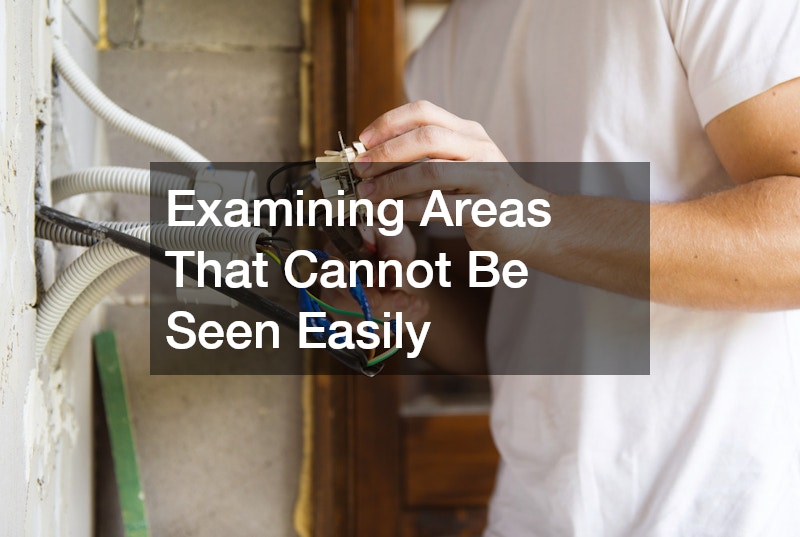
Not every part of a home can be evaluated during a visual walkthrough. Pipes run behind walls, drains extend beneath floors, and mechanical components may be enclosed or difficult to reach. These hidden areas can create uncertainty, particularly in older properties or homes with a history of recurring repairs.
Camera inspections offer a practical way to examine certain concealed systems without opening walls or digging immediately. Depending on the problem, a camera can help identify blockages, corrosion, separation, or damage inside a line. The findings can guide a targeted repair rather than an expensive guess.
The same principle applies to backup power equipment. Generator repairs should be completed when a unit fails to start, runs unevenly, displays warning codes, or has missed recommended maintenance. Buyers may view a generator as a valuable feature, but only when it is dependable. A nonworking unit can quickly become a liability because it suggests an added repair expense.
Sellers should test equipment they rarely use. This includes sump pumps, outdoor outlets, garage door openers, irrigation controls, and built-in appliances. A device that worked two years ago may not work today, and the first person to discover the failure should not be the buyer’s inspector.
The lesson is straightforward: hidden areas deserve attention when there is a reasonable sign of trouble. Sellers do not need to inspect every inch of the property with specialized technology, but they should investigate recurring symptoms rather than dismissing them.
Choosing Repairs That Increase Buyer Confidence
Not every repair produces the same benefit. A seller working with a limited budget should focus on improvements that reduce risk, strengthen first impressions, or make the home easier to finance and insure.
Safety concerns usually come first. Exposed wiring, loose railings, active leaks, broken steps, and damaged locks should be corrected before cosmetic projects. Functional concerns come next. Doors should close properly, faucets should not drip, appliances included in the sale should operate, and windows should not be stuck.
After those priorities are handled, sellers can address visible wear. Fresh paint, repaired trim, clean flooring, updated light fixtures, and improved landscaping can make the property feel cared for. These changes often influence the emotional side of the buying decision.
A useful way to rank projects is to ask three questions:
- Will the issue make a buyer feel unsafe?
- Will it create uncertainty about a larger expense?
- Will it be noticed during the first showing?
A repair that answers yes to two or three of these questions deserves serious consideration. By contrast, a highly personalized upgrade may not justify its cost. Replacing a functional countertop simply because the seller dislikes its color may not produce a higher offer. Repairing a visibly damaged countertop may be more worthwhile.
The most effective improvements remove reasons for buyers to discount the home. They do not need to make the house perfect. They need to make it credible, comfortable, and easier to evaluate.
Organizing Records That Support the Asking Price

A well-maintained home is more convincing when the seller can prove what has been done. Receipts, warranties, permits, service records, and inspection reports help buyers understand the property’s history. They also reduce the chance that completed work will be dismissed as a verbal claim.
Create a digital folder and a printed folder containing:
- Major repair invoices
- Maintenance records
- Product warranties
- Contractor contact information
- Permit documentation
- Inspection results
- Before-and-after photographs when relevant
- Dates of installation for major systems
The records do not need to be presented during every casual showing. They can be made available to the listing agent, serious buyers, or the buyer’s representatives when questions arise.
Documentation is particularly helpful when a system is older but well maintained. For example, a buyer may initially worry about equipment that has been in service for many years. Regular maintenance records can show that the system has received professional care and is not simply being ignored.
Records also strengthen negotiation. When a buyer requests a credit for an item that was recently repaired, the seller can respond with an invoice, warranty, and service report. That evidence may not eliminate every request, but it creates a more informed discussion.
Transparency should still be handled carefully. Sellers should follow local disclosure requirements and speak with their real estate professional about what must be shared. The objective is not to overwhelm buyers with paperwork. It is to provide useful proof that the home’s condition has been taken seriously.
Pricing the Home According to Its Condition
Pre-listing improvements can support a stronger asking price, but sellers should avoid assuming that every dollar spent will produce an equal increase in market value. The relationship between repairs and price is often indirect. Improvements may prevent discounts, attract more buyers, or reduce the time the property sits on the market.
A move-in-ready home appeals to buyers who have limited time, limited cash after closing, or little interest in managing contractors. Those buyers may be more willing to make a competitive offer because the property feels easier to own.
Pricing should still reflect local market conditions. Sellers should review recent comparable sales with their real estate agent and note differences in condition. A renovated property, a well-maintained property, and a property needing major work may have similar square footage but attract very different buyer responses.
Completed work can help justify the price when it solves a meaningful problem. New paint alone may not support a large increase, but repaired systems, corrected water issues, and documented structural work can make the home more competitive.
Sellers should also account for unfinished projects. A partially remodeled room may be less appealing than an older but complete room because buyers must estimate the cost of finishing it. Before listing, complete small projects whenever practical or return the space to a clean, functional condition.
The price should tell the same story as the property. A high asking price paired with obvious deferred maintenance creates resistance. A well-prepared home priced realistically gives buyers a reason to act.
Preparing for Inspection and Closing
Once the home is listed, sellers should keep it ready for both showings and professional evaluations. This means maintaining access to mechanical equipment, clearing stored items away from walls, replacing burned-out bulbs, and ensuring utilities remain on.
The inspection process is easier when the inspector can reach the attic, crawl space, electrical equipment, water heater, and other major areas without obstruction. Locked doors, crowded utility rooms, and blocked access points can delay the report or create unnecessary questions.
Sellers should also expect that buyers may still identify concerns. Pre-listing preparation reduces surprises, but it does not guarantee a repair-free inspection. The goal is to make the remaining issues smaller, clearer, and easier to negotiate.
When a request arrives, evaluate it calmly. Some items may be reasonable safety corrections. Others may be preferences rather than defects. The seller and real estate professional should consider the repair cost, the strength of the offer, market conditions, and the risk of losing the buyer.
Fast communication matters. Delayed responses can make buyers more anxious, particularly when deadlines are approaching. Having contractor contacts and property records organized in advance makes it easier to respond with accurate information.
A prepared seller is better positioned to negotiate because decisions are based on facts rather than panic. That steadiness can help preserve the offer and keep the transaction moving.
Turning Preparation Into Stronger Results
Pre-listing improvements work best when they are strategic rather than excessive. Sellers do not need to remove every sign of age or transform the property into a model home. They need to correct meaningful concerns, understand the condition of major components, and present the home honestly.
The process begins with observation and continues through prioritization, repair, documentation, and realistic pricing. Each step reduces uncertainty. Buyers can focus more on the home’s layout, location, and potential when they are not distracted by obvious maintenance problems or unanswered questions.
Preparation also protects the seller’s negotiating position. When important repairs have already been completed and records are available, buyers have fewer reasons to demand large concessions. Even when an issue remains, knowing about it in advance allows the seller to plan a measured response.
A thoughtful pre-listing strategy can improve more than the final offer amount. It can attract serious buyers, shorten negotiations, prevent closing delays, and reduce the emotional strain of the selling process. The most successful sellers are not always those who spend the most. They are often the ones who identify the right problems early and solve them before buyers have to ask.