

Not every home improvement dollar comes back to you at resale, and figuring out which ones do can feel like guesswork. Some upgrades that homeowners assume are smart investments barely move the needle, while others quietly pay for themselves many times over. Before you commit tens of thousands of dollars to a renovation, it helps to know which projects consistently hold their value and which ones are better thought of as personal luxuries. This guide breaks down the big ticket upgrades worth your money and explains why they perform the way they do in the real estate market.
Replacing an Aging Roof Before It Fails

A roof replacement is one of the few upgrades that almost always returns a strong percentage of its cost at resale, largely because buyers see it as a problem they will not have to deal with for decades. Appraisers and inspectors flag roofing issues quickly, so a new roof removes a major red flag before it ever comes up during negotiations. Homeowners who wait until shingles are curling or leaking often end up paying more for emergency repairs and water damage cleanup than they would have spent on a planned replacement.
Getting quotes from a few established roofing companies before committing is worth the extra time, since materials and warranties vary widely and affect long-term value. A metal or architectural shingle roof tends to hold value better than basic three-tab shingles because it signals durability to future buyers. Timing the project for the off-season can also reduce costs without sacrificing quality.
- Architectural shingles typically outperform basic shingles in both lifespan and resale appeal
- Metal roofing can last 40 to 70 years, which buyers factor into their offers
- A transferable warranty adds credibility when you eventually sell
- Routine inspections catch small issues before they become costly structural repairs
Upgrading Kitchens Without Overbuilding
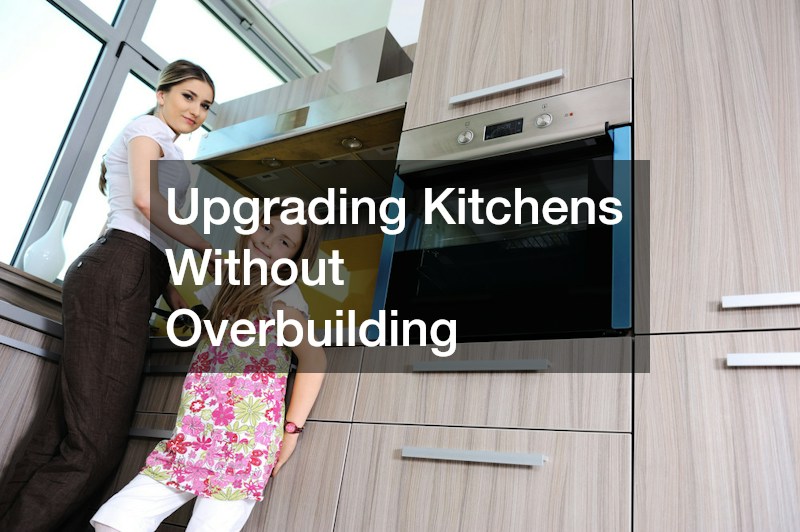
Kitchen remodels consistently rank among the highest value-retaining projects, but only when the scope matches the rest of the home. A minor kitchen update, such as new countertops, cabinet refacing, and updated appliances, tends to recoup a higher percentage of cost than a full gut renovation. Overbuilding a kitchen beyond what similar homes in the neighborhood offer rarely pays off, since buyers compare your home to others nearby rather than judging it in isolation.
Focus on durable, neutral finishes rather than trendy choices that may look dated in five years. Quartz countertops, for example, have become the standard buyers expect, while bold tile backsplashes can be polarizing. Energy-efficient appliances also appeal to a broad range of buyers because they promise lower utility bills over time.
Adding a Bathroom Where It Makes Sense
Adding a second or third bathroom to a home that only has one is frequently cited as one of the best returns on investment in the industry. Homes with a single bathroom can be a tough sell to families, so even a modest half bath addition can open up your buyer pool significantly. The key is placement: a bathroom added near existing plumbing lines costs far less than one requiring new plumbing runs across the house.
Bathroom renovations also hold value well when they stick to classic design choices like subway tile, neutral vanities, and standard fixtures. Overly personalized features, such as elaborate custom showers or unusual tile patterns, can actually work against you at resale. Keeping the footprint practical and the finishes timeless is usually the safer financial choice.
Clearing Land to Unlock Usable Space
For homeowners with larger lots, professional land clearing can meaningfully increase property value by turning unusable wooded or overgrown acreage into buildable, marketable space. Costs vary widely depending on terrain and density, often ranging from $1,500 to $5,000 per acre, but the return typically shows up in both appraised value and buyer interest. Clearing also opens the door to secondary improvements like driveways, outbuildings, or fenced pasture that further boost marketability. Buyers often discount raw land in their offers because they cannot picture what it could become, so presenting a cleared, level area for a garden, pool, or future structure removes that uncertainty. A lot that looks move-in ready, rather than requiring thousands of dollars in unknown site work, tends to appraise closer to its true potential rather than being priced as a liability. This is especially valuable in rural and suburban markets where lot usability directly affects price per acre. Before clearing, it’s worth checking local setback rules, protected tree ordinances, and drainage considerations, since clearing the wrong area can create erosion issues or code violations that eat into any value gained. Working with a licensed land clearing contractor who understands grading and soil stability helps ensure the newly usable space stays an asset rather than a future expense.
Clearing overgrown brush, invasive species, and dead trees can turn an unusable lot into valuable square footage, whether that means room for a patio, garden, or expanded yard. Buyers consistently respond to usable outdoor space, and in many markets a cleared, functional backyard can return 50 to 100 percent of its cost by boosting overall lot appeal. It is worth noting that clearing should be done thoughtfully rather than aggressively, since mature trees and natural buffers can also add value and curb appeal. Removing a single well-placed shade tree, for example, can lower a home’s appraised value by hundreds of dollars and strip away privacy that buyers often pay a premium for. A balanced approach that opens up usable space while preserving some natural landscaping tends to appeal to the widest range of buyers. Local permitting rules and drainage considerations should always be checked before any major clearing project begins. Many municipalities require permits for removing trees above a certain diameter, and clearing on a slope without proper grading can lead to costly erosion or runoff issues down the line. Consulting an arborist or land surveyor before work starts can help homeowners avoid fines, protect property lines, and ensure the finished space drains properly.
Adding Open-Span Structures for Flexible Storage
Outbuildings and workshops are increasingly popular additions, and clear span buildings in particular tend to hold value because of their flexible, column-free interior space. Unlike traditional pole barns with interior support posts spaced every 10 to 12 feet, a clear span structure uses engineered trusses to support the roof load entirely from the perimeter walls, opening up the full width of the building for use. That open layout means the space can be used for vehicle storage, a workshop, a home gym, or even an accessory dwelling unit without obstruction. A 30×40 clear span building, for example, can fit an RV with room to spare on one side for a workbench, or be reconfigured entirely as living space if zoning allows. Buyers don’t have to work around awkward support columns when planning furniture, equipment, or parking layouts. This versatility makes the investment attractive to a wide range of future buyers, not just those with one specific hobby or use in mind. A car collector might see a four-bay garage, while a remote worker sees a potential studio or office. Because the structure itself places no limits on layout, appraisers and buyers alike tend to view it as a flexible asset rather than a single-purpose outbuilding, which helps it hold value better at resale.
These structures also tend to be faster and more cost-effective to construct than traditional stick-built additions, which improves the overall return relative to cost. A pole barn or metal-frame building can often be erected in a few weeks rather than the months a conventional addition requires, and the open floor plan means no load-bearing interior walls to frame, insulate, or finish. That labor savings alone can shave 20-30% off the cost per square foot compared to a stick-built structure of similar size. Buyers researching rural or semi-rural properties frequently view a well-built outbuilding as a major selling point, especially if it has electricity, insulation, and a finished concrete floor. A structure that can double as a workshop, barn, or heated storage for equipment and vehicles appeals to a wide range of lifestyles, from hobby farmers to car collectors. Even buyers with no immediate use for the space tend to see it as flexible square footage they can repurpose later. Choosing quality materials upfront helps the structure last decades rather than needing replacement within a few years. Galvanized steel framing, properly treated lumber, and a well-sealed roof system resist rust, rot, and pest damage far better than budget-grade alternatives. Spending a bit more on materials and proper site grading for drainage also protects the foundation, which is often the difference between a structure that holds its value and one that becomes a costly liability.
Replacing Windows for Efficiency and Curb Appeal
Window replacement projects consistently show up on value-retention lists because they address two buyer priorities at once: energy efficiency and appearance. Old, drafty windows are an immediate red flag during a showing, while new double or triple-pane windows signal lower utility bills and less maintenance. Vinyl-framed replacement windows tend to offer the best balance of cost and return compared to higher-end wood or fiberglass options.
Beyond resale value, updated windows also improve day-to-day comfort by reducing drafts and outside noise, which matters to buyers touring the home in person. Pairing window replacement with fresh exterior paint or trim can amplify the curb appeal boost. As with roofing, getting multiple quotes helps ensure you are paying a fair market rate for materials and installation.
Maintaining the Water Heater and Core Mechanical Systems
It is easy to overlook mechanical systems when thinking about value, but a functioning, modern water heater and HVAC system can make or break a sale. Buyers and inspectors pay close attention to the age of major systems, and a unit nearing the end of its lifespan often becomes a negotiating point that reduces your final sale price. Most water heaters last 8 to 12 years, and home inspectors routinely check the manufacture date on the tank, so an aging unit rarely goes unnoticed. Scheduling water heater repair at the first sign of trouble, such as inconsistent temperatures, rusty water, or unusual noises like popping or rumbling, is far cheaper than replacing a unit that fails completely during a home sale. A repair might cost a few hundred dollars, while a full replacement during closing negotiations can run well over a thousand and stall the deal entirely. Buyers tend to view a visibly neglected water heater as a signal that other systems in the home may have been ignored too. The same logic applies to your furnace and air conditioning units. Annual maintenance, such as replacing filters, cleaning coils, and checking refrigerant levels, keeps these systems running efficiently and extends their usable life well past the point many homeowners expect. Keeping service records for these systems also gives buyers confidence and can serve as a useful selling point during negotiations, since it shows a documented history of care rather than guesswork.
Tankless water heaters have become popular among buyers because of their energy savings and longer lifespan compared to traditional tank models, often running 20 years versus the 10-to-15-year lifespan of a conventional tank. They typically cost more upfront, usually $1,500 to $3,500 installed, but the lower operating costs and compact footprint make them an easy selling point during a home inspection. Buyers increasingly ask about water heater age and type the same way they ask about roof age, so this is one upgrade that gets noticed early in a showing. Keeping maintenance records for your water heater and HVAC system gives buyers confidence that the home has been well cared for. Simple documentation, such as annual HVAC tune-up receipts, filter replacement logs, and water heater flushes, shows a pattern of care rather than a history of neglect. Appraisers and inspectors can’t always verify maintenance just by looking at a unit, so a folder of dated service records becomes tangible proof that carries weight during negotiations. Small, proactive repairs on these systems almost always cost less than the price reduction a buyer will request if they inherit an aging unit. A $150 capacitor replacement on an HVAC system, for example, is far cheaper than the thousands of dollars a buyer might knock off for a unit nearing the end of its life. The same logic applies to minor plumbing fixes, thermostat upgrades, or sediment flushes on a water heater, which cost little now but prevent much larger negotiated credits later.
The upgrades that hold their value best tend to share a common thread: they solve a real problem, use durable materials, and appeal to a broad range of future buyers rather than a narrow personal taste. Before starting any major renovation, research what comparable homes in your area already offer so your investment aligns with buyer expectations. Taking the time to prioritize roofing, kitchens, bathrooms, usable land, flexible outbuildings, windows, and core mechanical systems will put your money where it counts. Start by getting a professional assessment of your home’s biggest weak points, then tackle upgrades in order of impact rather than personal preference.