

Homeownership represents one of the most significant financial commitments an individual will ever undertake. While acquiring a house marks an exciting milestone, preserving its safety, operational efficiency, and market value requires a proactive management strategy. Far too many property owners operate on a reactive basis, waiting for a water pipe to leak or a furnace to fail before seeking professional assistance. Unfortunately, emergency repairs almost always cost significantly more than routine preventative checks. A structured maintenance blueprint shifts the focus from stressful crisis management to organized, predictable planning. By treating every physical component as part of an interconnected building ecosystem, homeowners can catch minor wear before it transforms into expensive structural damage.
Systemic property care extends far beyond basic aesthetic touch-ups like applying paint or mowing the lawn. It demands a regular evaluation of structural frames, utility lines, environmental barriers, and mechanical systems. Every building component experiences steady degradation over time due to weather exposure, natural aging, and continuous daily household use. When property owners establish a disciplined routine of inspection and servicing, they actively protect their home equity while securing a safe living space for their families.
Adopting a long-term care strategy also transforms how homeowners view their annual upkeep budgets. Wise property owners recognize that routine home checks are essential investments that prevent far larger financial losses down the road. Every home functions as an assembly of distinct sub-systems that depend on one another for long-term operational health. Recognizing these structural connections allows owners to prioritize inspections based on component age, environmental risk, and seasonal weather patterns, ensuring complete peace of mind throughout every season of the year.
Protecting the Outer Envelope and Site Drainage
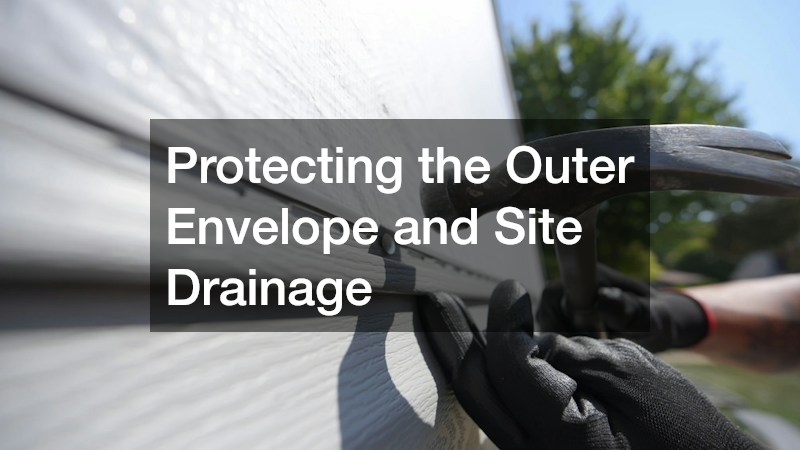
The external building envelope serves as a residence’s primary shield against harsh weather elements. Rain, wind, freezing snow, and intense ultraviolet light constantly attack the exterior shell of a home. The overhead roof structure takes the brunt of this environmental impact every single day. Over time, protective shingles lose their surface granules, flashing around chimneys loosens, and rain gutters accumulate heavy organic debris. Scheduling periodic physical assessments with skilled roofers helps identify subtle shingle cracks, failing sealants, or compromised underlying decking long before moisture penetrates the attic framing. Water intrusion that goes unnoticed quickly rots wooden support beams and fosters hidden mold growth, making early physical inspection vital for overall structural health.
Beyond the upper roof line, proper land grading and retaining structures play a critical role in preserving foundational stability. Sloped residential properties require careful landscape engineering to prevent massive soil movement during severe rainstorms or rapid snowmelt. Constructing and maintaining sturdy retaining walls ensures that heavy dirt stays stabilized and away from the house. When these structural earth retainers crack, shift, or suffer from blocked drainage paths, hydrostatic pressure builds rapidly behind them. Excessive ground movement can push against foundation walls, causing major structural cracking and allowing groundwater to seep directly into lower interior zones. Routine inspections of drainage swales, perimeter grading, and exterior masonry barriers safeguard the home against costly ground movement and structural displacement, preserving long-term structural equity and site safety for the future.
Safeguarding Foundations and Sub-Structure Zones
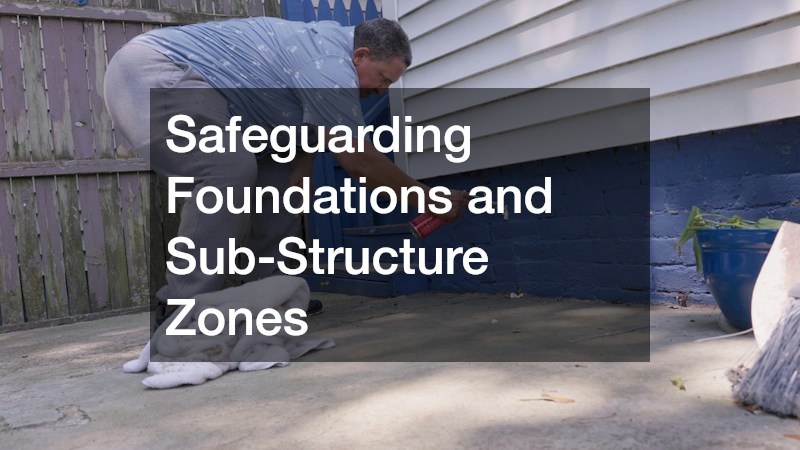
Directly beneath the primary ground floor lies an essential structural environment that many property owners overlook until serious trouble emerges. The sub-floor area houses foundation walls, load-bearing joists, floor insulation, and vital utility lines. Maintaining a clean, well-ventilated crawlspace prevents floor joists and sub-floors from absorbing rising ground moisture. High ambient humidity in sub-level zones creates ideal conditions for wood rot, floor joist sagging, fallen insulation, and foul indoor air odors. Installing durable vapor barriers across exposed soil, sealing foundation vents where appropriate, and installing modern dehumidifiers keep the lower structural framework dry and resilient over many decades of active use.
Dark, humid sub-level environments also create ideal habitats for unwelcome biological pests searching for moisture, shelter, and food. Termites, carpenter ants, rodents, and wood-boring beetles can silently consume load-bearing framing elements without displaying obvious signs inside upper living rooms. Engaging a licensed pest control specialist for regular sub-level inspections ensures these wood-destroying organisms do not establish unseen colonies beneath the home. Early professional detection of active pest activity saves property owners thousands of dollars in major structural repairs. Combining moisture mitigation techniques with ongoing pest management protects structural floor framing, preventing costly sub-floor wood replacement and preserving overall property stability.
Sub-floor care also requires routine evaluations of foundation walls for structural shifting, spalling, or stress cracking. Addressing drainage problems immediately by improving exterior gutters or installing interior sump pump systems keeps foundational walls dry and structurally sound for long-term residential safety.
Maintaining Fresh Water Supply and Waste Lines
Freshwater supply systems and wastewater drainage networks form the functional circulatory system of modern residential living. A hidden pipe leak, frozen line, or backed-up main sewer pipe can cause devastating structural and cosmetic damage within hours. Experienced plumbers possess specialized diagnostic equipment, including electronic leak detectors and high-definition sewer cameras, to inspect concealed piping inside walls and underground. Regular professional plumbing checks help uncover low water pressure issues, subtle pinhole pipe leaks, hidden joint corrosion, and invasive tree roots long before they trigger major indoor flooding events. Keeping water pressure properly regulated protects delicate modern fixtures and extends the operational lifespan of internal piping networks.
Water quality itself directly impacts the physical durability of household plumbing fixtures and appliances. Municipal and well water containing elevated mineral concentrations, particularly calcium and magnesium, creates severe scale build-up inside pipes, heating elements, and utility connections. Installing an efficient water softener treats incoming hard water, preventing chalky mineral deposits from clogging inner pipe walls and damaging internal valves in dishwashers, ice makers, and washing machines. Softened water also reduces unsightly soap scum on bathroom surfaces, improves fixture appearances, and preserves efficient water flow throughout the entire residence. Combining periodic plumbing line inspections with active water treatment safeguards internal piping networks for decades.
Additionally, property owners must remain vigilant regarding waste lines and drainage vents. Slow drains, gurgling noises in toilets, or recurring sewer odors inside bathrooms often indicate partial line blockages or venting faults that require prompt professional inspection and clearance.
Optimizing Thermal Comfort and Domestic Hot Water
Reliable domestic hot water and efficient internal climate control represent two essential pillars of modern residential comfort and health. Traditional tank-style and modern tankless water heaters work continuously under intense heat and municipal water pressure. Over time, mineral sediment settles at the bottom of heating tanks, creating insulating layers that lower heating efficiency and overheat bottom tank plates. Scheduling an annual water heater service allows a trained technician to flush out accumulated tank sediment, test internal heating elements, replace worn anode rods, and verify safety relief valve operations. Regular preventative care significantly extends water heater life, reduces energy consumption, and prevents sudden tank ruptures that cause massive basement flooding.
Maintaining consistent indoor air temperatures during severe winter freezes and summer heatwaves requires a robust, high-performing mechanical climate system. Residential heating and air conditioning units operate under heavy seasonal workloads, drawing significant electrical current and circulating thousands of cubic feet of air daily. Partnering with a licensed HVAC company guarantees that central air units, heat pumps, gas furnaces, and duct networks undergo complete seasonal cleaning, electrical checks, and airflow calibrations. Clean air filters, properly balanced refrigerant levels, calibrated modern thermostats, and dust-free coils keep equipment running at peak energy efficiency while capturing airborne allergens and dust particles.
Routine mechanical care lowers monthly utility bills and prevents sudden equipment failures during extreme weather conditions. Property owners who establish annual maintenance schedules with mechanical specialists enjoy lower energy costs, extended equipment operational lifespans, and steady indoor temperature control every month of the year.
Modernizing Electrical Panels and Structural Improvements

Electrical power distribution networks silently feed every modern household, delivering electricity behind drywall panels, ceilings, and sub-floors. As modern families adopt high-draw electronics, smart home automation, electric vehicle chargers, and electric heat pumps, residential power demands increase rapidly. Outdated electrical panels, overloaded circuit breakers, or aging aluminum wiring pose severe electrical fire risks and cause frequent breaker trips. Hiring a certified electrician to inspect main distribution panels, test ground connections, verify circuit wire sizing, and inspect wall outlets ensures the home electrical grid safely manages daily power requirements. Upgrading aging panel boards and installing modern arc-fault circuit interrupters dramatically reduces electrical hazards and protects modern electronics.
When property owners decide to update older interior spaces, electrical and structural system capacities must be carefully reevaluated and integrated into the design plans. For example, undertaking a comprehensive kitchen remodeling project requires adding dedicated high-amp circuits, reconfiguring plumbing lines, and updating task lighting to meet modern building codes. Partnering with qualified construction professionals during early planning stages ensures structural, electrical, and plumbing demands are addressed seamlessly before drywalls are installed. Upgrading interior mechanical systems alongside aesthetic kitchen improvements yields living spaces that are visually stunning, energy-efficient, and fully compliant with modern municipal safety codes.
It is equally important to inspect exterior electrical fixtures, outdoor outlets, and garage wiring systems. Exterior outlets exposed to moisture require functioning ground-fault circuit interrupter protection to prevent electrical shock hazards during outdoor maintenance work or seasonal holiday lighting setups.
Structuring Timelines for Peak System Efficiency
Organizing ongoing residential upkeep into a structured seasonal calendar prevents essential property tasks from being forgotten during busy work weeks. In early spring, property owners should focus on external site drainage, clearing roof gutters, and scheduling thorough inspections with professional roofers to evaluate winter ice and storm damage. Identifying loose shingles, damaged perimeter flashing, or cracked mortar early prevents heavy spring rainstorms from penetrating attic insulation and damaging internal ceilings. Summer months provide ideal weather for inspecting exterior paint, sealing timber decks, and verifying air conditioning performance before intense heatwaves hit the region.
Autumn shifts primary focus toward preparing heating units, sealing exterior window frames, and protecting outdoor water lines from freezing temperatures. Homeowners should drain garden hoses, shut off interior valves to outdoor spigots, and clean autumn leaves away from foundation walls. Extreme winter freezing temperatures can cause lingering water inside uninsulated pipes along exterior walls to freeze, expand, and burst within minutes. Establishing a working connection with reliable local plumbers ensures quick emergency assistance if frozen lines or sudden indoor pipe breaks occur during severe winter weather. Keeping detailed records of all inspection dates, professional service receipts, and component model numbers creates a reliable operational history for the entire property.
A detailed service journal enables property owners to track component lifespans accurately and predict future capital expenditures before equipment fails unexpectedly. Knowing the exact age of major systems helps homeowners allocate maintenance funds gradually rather than facing sudden financial shocks down the road.
Maximizing Equity Through Comprehensive Property Care
A well-maintained home serves as far more than a comfortable, safe living environment; it represents a primary wealth-building asset that grows over time. When property owners perform consistent routine maintenance and address minor repairs promptly, they safeguard physical structures while maximizing overall market equity. Real estate appraisers, home inspectors, and potential home buyers quickly distinguish between properties that have been systematically cared for and those suffering from years of deferred maintenance. Neglected issues like rotting exterior fascia, failing mechanical systems, or unaddressed foundation cracks result in severe price reductions and extended listing periods during future home sales.
Investing modest annual sums into professional system evaluations delivers massive financial returns by preventing catastrophic system breakdowns. A comprehensive maintenance blueprint enables property owners to manage residential care as a predictable operational budget rather than facing sudden, stressful financial emergencies. By prioritizing structural integrity, utility line efficiency, environmental protection, and mechanical safety, homeowners preserve physical comfort, lower monthly energy costs, and protect their largest financial asset. Taking proactive charge of home maintenance ensures lasting peace of mind, operational safety, and strong financial security for many years to come.
Systematic care also creates a healthier indoor living environment for all household occupants. Clean air ducts, dry sub-floors, properly functioning drainage, and safe electrical wiring eliminate unseen environmental hazards like toxic mold spores, sewer gas leaks, and electrical shock risks. When families invest time and resources into maintaining their living spaces, they improve daily quality of life while protecting their financial future. Building a home maintenance culture establishes structural resilience, financial clarity, and lasting confidence for modern property owners everywhere.