
A well-run home quietly adapts to every season. In January, heat comes on reliably and the house stays warm no matter how hard the wind blows. In July, the lawn stays green, the swim area sparkles, and the patio is ready for company. Year-round, the surfaces people touch and walk on, from cooking areas to workshop floors to stone walls, hold up to daily use without chipping, staining, or crumbling. That kind of resilience does not happen by chance. It is built through thoughtful choices, quality materials, and steady care.
Each season also exposes weak spots. Cold snaps reveal failing heating components, spring rains overwhelm drainage channels and wastewater systems, and summer heat stresses turf, shingles, and outdoor surfaces. Inside, worn storage and stained floors make daily routines harder than they need to be. Addressing these issues one by one, with durable materials and proven methods, creates a home that delivers warm winters, green summers, and surfaces that truly stand up to anything the calendar brings.
No Heat on the Coldest Morning of the Year

Heating equipment often fails on the first truly cold morning of the season, after sitting idle for months. Dust settles on burners and flame sensors, hot surface igniters crack with age, and pressure switches or inducer motors wear out. When the system tries to light, it cycles through its sequence, locks out, and leaves the house cold. Families wake up to chilly rooms, and pipes in exterior walls face the risk of freezing.
Prompt furnace repair begins with reading the control board’s diagnostic codes and watching the ignition sequence to pinpoint where it stops. Cracked igniters are replaced with durable silicon nitride models, dirty flame sensors are cleaned and tested for proper microamp readings, and faulty pressure switches or inducer motors are replaced. Technicians inspect the heat exchanger, test gas pressure with a manometer, run a combustion analysis, and verify venting and safety controls. Carbon monoxide alarms are checked before the system is returned to service, restoring safe, steady heat. A fall tune-up each year catches these worn parts before the first cold snap, reducing the chance of an emergency call.
Soggy Drain Fields and Broken Baffles
Onsite wastewater systems rely on baffles inside the tank to keep solids and scum from flowing into the drain field. When baffles corrode, crack, or fall off, solids escape and clog the gravel and soil, forming a biomat that blocks absorption. The result is a soggy, foul-smelling area over the field, slow drains inside the house, and eventually sewage backing up into tubs, toilets, and floor drains, creating health hazards and expensive cleanup.
Thorough septic repair starts with pumping the tank and inspecting it with lights and cameras to evaluate baffles, walls, and inlet and outlet pipes. Broken baffles are replaced with PVC sanitary tees, and effluent filters are added at the outlet to keep solids in the tank. The drain field is evaluated with probes and inspection ports, and clogged sections may be rested, jetted, or rebuilt with new perforated pipe and washed stone. Risers are installed to bring lids to grade for easier future access and maintenance. Spreading laundry across the week and keeping grease and wipes out of the drains help the repaired system last.
Brown Patches Where Water Never Reaches
Irrigation systems often look fine on paper but leave brown patches across the lawn during summer heat. Heads get knocked out of alignment by mowers, sink as soil settles, or clog with grit. Mismatched nozzles apply water at different rates, and pressure problems cause misting or weak spray patterns. Meanwhile, sidewalks and siding get soaked, water bills climb, and turf in the dry zones thins out and invites weeds.
Professional lawn sprinkler services begin with a zone-by-zone inspection, running each zone to check coverage, pressure, and head operation. Sunken and tilted heads are raised and leveled, clogged nozzles are cleaned or replaced with matched-precipitation versions, and spray arcs are adjusted to hit turf instead of pavement. Leaking valves and broken laterals are repaired, and pressure regulators are added where needed. A smart controller adjusts run times based on weather and soil moisture, and seasonal start-up and winterization protect the system. A backflow test confirms that irrigation water cannot siphon back into the household supply.
Sturdy Boxes and Soft-Close Drawers for the Cooking Space

Storage in the cooking space takes constant abuse from heavy pots, daily opening and closing, and moisture near the sink and dishwasher. Particleboard boxes swell and crumble when they get wet, shelves sag under weight, and hinges pull loose from soft material. Drawers with cheap slides stick, slam, and fall off their tracks, while poorly organized interiors make it hard to find what is needed and waste valuable space.
Replacing a worn kitchen cabinet system starts with careful measurements and a plan for how the household cooks and stores food. Boxes built from three-quarter-inch plywood with dado joints resist moisture and hold screws securely, while drawers made from solid hardwood with dovetail joints stand up to heavy loads. Soft-close concealed hinges and full-extension undermount slides provide quiet, smooth operation. Deep drawers for pots, pull-out organizers, and corner solutions maximize storage, and cabinets are installed level and plumb for long-lasting performance. Under-cabinet lighting and a durable quartz or granite top complete a workspace that looks good and holds up to daily cooking.
Retaining Walls That Hold Back Sloped Soil
Sloped yards can be beautiful, but without proper retaining structures, soil erodes onto patios and walkways, and usable space is limited. Walls built without adequate footings, drainage, or reinforcement bulge, crack, and eventually collapse under the pressure of saturated soil. Timber walls rot, and dry-stacked stone walls without proper batter can topple, creating safety hazards and costly repairs.
Experienced hardscaping companies design retaining walls based on height, soil type, and expected loads, consulting engineers for taller walls. A trench is excavated and filled with compacted crushed stone to create a level footing, and the first course of segmental wall block is buried below grade. Each course is set back slightly to create a batter, and perforated drain pipe surrounded by clean gravel is installed behind the wall to relieve hydrostatic pressure. Geogrid reinforcement is added in layers for taller walls, and caps complete a clean, finished look. Terraced walls can turn a steep hillside into usable planting beds or level patio space.
Master Plans for Cohesive Outdoor Living
Many yards develop piece by piece, with a patio here, a planting bed there, and a swim area added years later. Without an overall plan, these elements often feel disconnected, traffic flow is awkward, and outdoor spaces go unused. Plants may be chosen without regard for mature size or sun exposure, and drainage problems can undermine patios and lawns.
Professional landscape design companies create master plans that tie the entire yard together. Designers analyze the site’s sun and shade patterns, soil, drainage, views, and existing features, then work with the household to define how each area will be used. Outdoor rooms for dining, lounging, playing, and swimming are connected with paths and framed by plantings selected for year-round interest and low maintenance. Lighting, irrigation, and grading are integrated into the plan, and phased schedules allow work to be completed over several seasons while maintaining a cohesive vision. Native plants and drip irrigation keep the finished design easier and less costly to maintain.
Concrete Floors That Shrug Off Oil and Salt

Bare concrete in workshops, parking bays, and basements absorbs oil, road salt, and chemicals, leaving permanent stains. Its porous surface generates dust as it wears, and freeze-thaw cycles combined with de-icing salts cause spalling and pitting. Many do-it-yourself coatings fail quickly because they are applied over smooth or contaminated concrete without proper preparation, peeling and lifting under hot tires.
Durable epoxy coating services start with moisture testing and thorough surface preparation, using diamond grinders to remove contaminants and open the concrete’s pores for strong adhesion. Cracks and spalls are repaired with fillers, and a 100-percent-solids base coat is applied. Decorative vinyl flakes can be broadcast into the wet base coat for texture, slip resistance, and visual appeal. A polyaspartic or polyurethane topcoat seals the system, providing UV stability, chemical resistance, and protection against hot tire pickup, and the finished floor wipes clean easily. Coved edges along the walls make cleanup even simpler by eliminating the gap where dirt and water collect.
Backyard Basins Shaped for Family Fun
A swim area designed with the household in mind becomes the heart of summer gatherings. Generic shapes and layouts may not suit how families actually use the water, leaving little room for play, lounging, or entertaining. Poor planning for depth, entry points, and safety features can limit enjoyment, while inadequate engineering and equipment lead to cracks, leaks, and frequent repairs.
Experienced local pool builders design basins around how the family plans to swim, play, and relax, incorporating features such as wide steps, tanning ledges, benches, and dedicated play areas. After soil testing and permits, the basin is excavated, reinforced with steel, and sprayed with gunite to form a monolithic shell. Plumbing is sized for proper circulation, and variable-speed pumps, efficient filters, and automation keep the water clean with minimal effort. Safety features such as covers, barriers, and lighting are planned from the start. LED lighting and automated chemistry keep the water inviting after dark and reduce weekly upkeep.
Shingle Upgrades Before the Next Big Storm
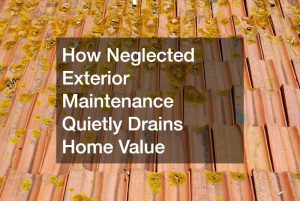
Severe storms test the shell with high winds, heavy rain, and hail. Older shingles that have lost granules, curled, or become brittle are far more likely to tear loose or crack under impact, exposing underlayment and decking to water. Waiting until after a storm to address an aging shell often means dealing with emergency repairs, interior water damage, and insurance claims.
Proactive roofing services evaluate the condition of shingles, flashing, underlayment, and ventilation before storm season arrives. When replacement is recommended, old materials are stripped to the deck, damaged sheathing is replaced, and ice-and-water membrane is installed at eaves and valleys with synthetic underlayment elsewhere. Impact-resistant Class 4 shingles are fastened with six nails each to high-wind specifications, and new drip edge, flashing, and pipe boots are installed. Balanced attic ventilation helps the new shingles reach their full service life. Many insurers offer discounts for impact-rated shingles, helping offset the cost of the upgrade.
Seamless Channels Measured to Each Eave

Drainage channels assembled from short sections leak at their seams, and poorly sized or pitched systems overflow during heavy rain. Water spilling over the edges stains siding, erodes planting beds, and saturates the soil along the foundation, contributing to basement leaks and cracked slabs. Loose hangers allow sections to sag and pull away from the fascia, which may rot from constant moisture.
A skilled gutter installer measures each eave precisely and forms seamless aluminum channels on site to match, eliminating leaky joints except at corners and outlets. Channel size is chosen based on roof area, pitch, and local rainfall intensity, often six-inch K-style for larger homes. Concealed hangers are spaced every 24 inches and fastened into rafter tails with structural screws, and runs are pitched toward outlets. Oversized downspouts with extensions or underground drains carry water away from the foundation. Mesh guards reduce clogs, and any rotted fascia is replaced before the new channels go up.
Warm winters, green summers, and surfaces that stand up to anything depend on systems and materials chosen for durability and maintained with care. Reliable heating equipment, a healthy wastewater system, and well-tuned irrigation keep the household comfortable and the yard thriving through every season. Sturdy storage and coated concrete floors make daily life easier and cleaner.
Outdoors, well-built retaining walls, cohesive outdoor living plans, and a family-friendly swim area create a yard that invites people outside. A storm-ready shell and seamless drainage channels protect everything beneath them, keeping the structure dry and sound. Tackling projects in a logical sequence, beginning with structure and drainage, ensures each upgrade lasts. Scheduling heating service in early fall and irrigation and outdoor work in spring keeps each system ready before it is needed.
The result is a home that handles cold snaps, heat waves, heavy rains, and daily wear with ease. With durable surfaces underfoot, reliable systems behind the walls, and inviting spaces outside, the property stays comfortable, attractive, and ready for whatever each season brings.