Investing in your home is about more than aesthetics — it’s about creating a space that works efficiently, lasts longer, and saves you money over time. Smart improvements focus on durability, energy efficiency, and preventative maintenance rather than quick fixes. When you approach upgrades with a long-term mindset, you reduce repair costs, improve comfort, and even increase your home’s value.
This guide breaks down practical, actionable strategies you can apply across different areas of your home. Each section highlights a specific upgrade or service that contributes to long-term savings, helping you make informed decisions that pay off for years to come.
Plan Efficient Layout Changes That Reduce Daily Costs
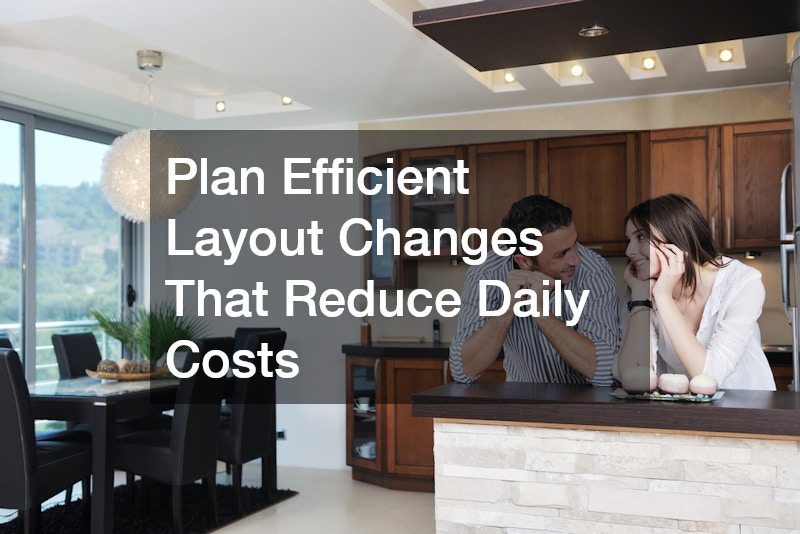
A well-thought-out layout can significantly lower energy use and improve workflow. When tackling kitchen remodeling, focus on optimizing how you move through the space. Position appliances like the refrigerator, sink, and stove in a functional triangle to reduce unnecessary steps and wasted energy.
Energy-efficient appliances are another critical factor. Upgrading to ENERGY STAR-rated models can cut electricity and water consumption dramatically. Consider installing LED lighting under cabinets and using reflective backsplash materials to improve brightness without increasing wattage.
Cabinet choices also matter. Soft-close drawers and durable materials reduce wear and tear, preventing costly replacements. Choosing timeless finishes instead of trendy ones helps avoid frequent updates.
Small changes, like installing a pull-out pantry or better storage systems, can reduce food waste and improve organization — both of which contribute to long-term savings.
To take things further, think about insulation and ventilation within the kitchen itself. Proper airflow reduces heat buildup, which helps your cooling system work less. Adding insulation behind walls during renovations can also prevent energy loss. Smart plugs and energy monitoring systems allow you to track appliance usage and identify inefficiencies. Over time, these adjustments help you refine your habits and cut unnecessary energy consumption. Even simple habits, like running full dishwasher loads or switching to induction cooking, can compound into meaningful savings year after year.
Prevent Costly Damage With Regular Outdoor Maintenance
Outdoor upkeep often gets overlooked, but it plays a major role in protecting your home. Scheduling routine tree trimming services helps prevent branches from damaging your roof, siding, or windows during storms.
Overgrown trees can also block sunlight, leading to moisture buildup and mold growth on your home’s exterior. Proper trimming improves airflow and allows natural light to dry out damp areas.
Additionally, maintaining trees reduces the risk of roots interfering with your foundation or underground plumbing. This proactive approach can save thousands in structural repairs.
Keep a seasonal maintenance schedule. Inspect trees in early spring and late fall, and address any signs of disease or instability before they escalate.
Beyond trimming, consider the overall landscape design. Planting trees at a safe distance from your home helps prevent future problems while still providing shade that can reduce cooling costs. Mulching around trees retains moisture and promotes healthy root systems, minimizing the likelihood of invasive growth. Regularly clearing fallen leaves and debris from gutters also prevents water buildup that can damage roofing and siding. Investing time in these outdoor tasks protects your property and ensures that small issues do not turn into expensive emergencies over time.
Keep Cooling Systems Running Efficiently Year-Round
Your HVAC system is one of the biggest contributors to your energy bill. Staying ahead of ac repairs ensures your system runs efficiently and avoids sudden breakdowns.
Routine maintenance should include cleaning or replacing air filters every one to three months, checking refrigerant levels, and inspecting ductwork for leaks. Even small issues, like clogged filters, can force your system to work harder and consume more energy.
Smart thermostats are another worthwhile investment. They allow you to program temperature changes based on your schedule, reducing unnecessary usage when you’re not home.
Annual professional inspections help identify worn components early. Fixing minor issues now prevents expensive replacements later and extends the lifespan of your unit.
You can also improve efficiency by sealing windows and doors to prevent cool air from escaping. Adding blackout curtains or reflective window films reduces heat gain during the summer. Ceiling fans help circulate air, allowing you to raise the thermostat slightly without sacrificing comfort. Keeping vents clear of furniture ensures proper airflow throughout your home. These combined strategies reduce strain on your system and make your home more comfortable while keeping utility costs in check over the long term.
Upgrade Plumbing Fixtures to Cut Water Waste
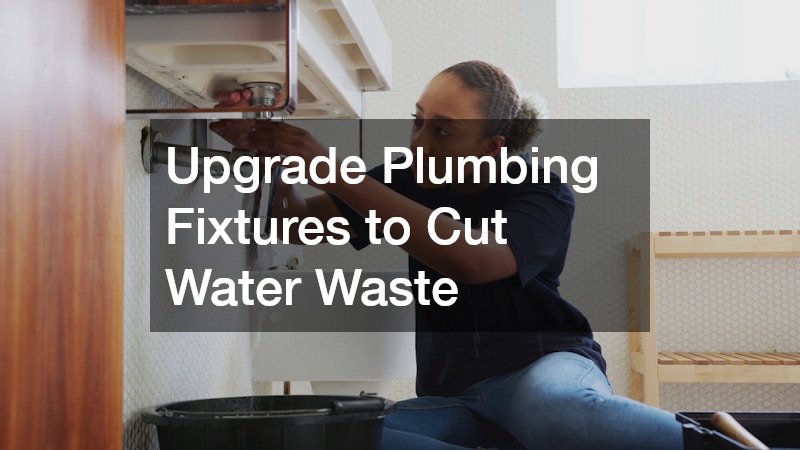
Water efficiency is a major factor in long-term savings. Working with a skilled plumber can help you identify areas where water is being wasted and recommend upgrades.
Low-flow fixtures, such as faucets, showerheads, and toilets, significantly reduce water usage without sacrificing performance. Tankless water heaters are another smart option, as they heat water on demand and eliminate standby energy loss.
Leaks are one of the most common sources of hidden expenses. Even a slow drip can waste gallons of water over time. Regular inspections and prompt repairs prevent these issues from escalating.
Consider installing water monitoring systems that alert you to unusual usage patterns. These systems can detect leaks early and help you avoid costly water damage.
Another smart approach is insulating your pipes, especially in colder climates. Insulation reduces heat loss and helps water reach your fixtures faster, saving both time and energy. Upgrading to durable piping materials can also prevent corrosion and extend the life of your plumbing system. Rainwater collection systems and greywater reuse setups are additional ways to reduce overall consumption. Over time, these improvements create a more efficient home while lowering your monthly water and energy bills.
Strengthen Your Home’s First Line of Defense Against Weather
Your roof plays a critical role in protecting your home from the elements. Investing in quality roofing materials and maintenance can prevent expensive repairs down the line.
Choose materials that suit your climate. For example, metal roofs offer durability and reflect heat, while asphalt shingles provide affordability and ease of installation.
Proper insulation and ventilation are just as important as the roofing material itself. Poor ventilation can trap heat and moisture, leading to mold growth and structural damage.
Regular inspections — especially after storms — help identify loose shingles, leaks, or damaged flashing. Addressing these issues early prevents them from spreading and causing more extensive damage.
Gutter systems also play a key role in roof longevity. Keeping gutters clean and properly aligned ensures water is directed away from your home, preventing foundation issues. Installing gutter guards can reduce maintenance needs and improve efficiency. Reflective coatings or cool roof technologies can further enhance energy savings by reducing heat absorption. By combining these strategies, you create a durable roofing system that protects your home while minimizing long-term maintenance costs.
Improve Functionality While Reducing Utility Bills
Updating your bathroom isn’t just about appearance. Thoughtful bathroom remodeling can lead to significant savings in water and energy usage.
Install dual-flush toilets and water-efficient showerheads to reduce water consumption. Heated flooring systems, while an upfront investment, can be more efficient than traditional heating methods in smaller spaces.
Lighting upgrades also make a difference. Use LED fixtures and incorporate natural light where possible. Skylights or larger windows can reduce the need for artificial lighting during the day.
Storage improvements, such as built-in shelving, help keep the space organized and reduce clutter, making maintenance easier and extending the life of fixtures.
Consider moisture control as part of your remodel. High-quality ventilation fans prevent humidity buildup, reducing the risk of mold and damage. Choosing durable, water-resistant materials like tile or quartz surfaces ensures longevity and minimizes repair costs. Smart mirrors with integrated lighting and defogging features add both convenience and efficiency. Over time, these thoughtful upgrades make your bathroom easier to maintain while keeping utility expenses lower.
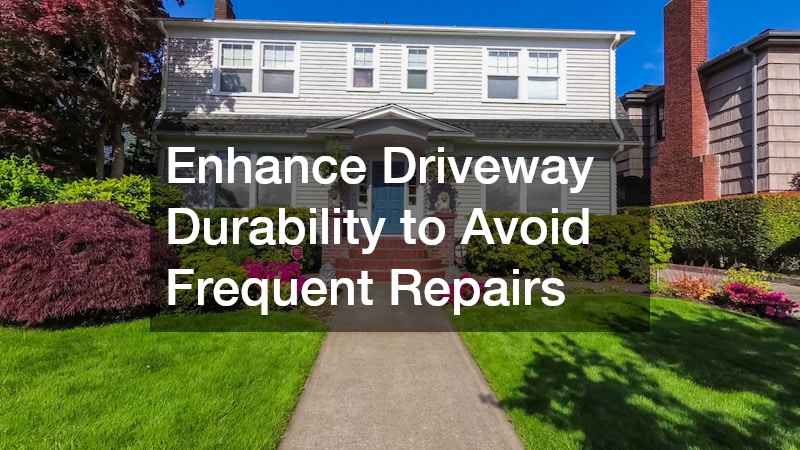
Enhance Driveway Durability to Avoid Frequent Repairs
Your driveway and walkways are often exposed to harsh conditions. Hiring a reliable paving contractor ensures these surfaces are built to last.
Choose materials like concrete or asphalt that can withstand your local climate. Proper installation is key — poor grading or inadequate base layers can lead to cracks and potholes.
Sealing your driveway every few years protects it from moisture, oil stains, and temperature fluctuations. This simple step can extend its lifespan significantly.
Regular cleaning and minor repairs, such as filling small cracks, prevent larger issues from developing. Maintaining these surfaces not only saves money but also improves curb appeal.
Drainage is another critical factor to consider. Ensuring water flows away from your driveway prevents erosion and structural damage. Adding edging or reinforcement can further improve durability. In colder regions, using de-icing products that are safe for your surface material helps prevent deterioration. By staying proactive with maintenance, you avoid costly replacements and keep your outdoor surfaces in excellent condition for years.
Extend Equipment Lifespan With Routine Mechanical Care
Garage systems are often used daily but rarely maintained. Regular garage door opener maintenance helps prevent unexpected failures and costly replacements.
Lubricate moving parts, check the alignment of tracks, and test safety features like auto-reverse mechanisms. These simple tasks keep the system running smoothly and safely.
Replacing worn components, such as belts or chains, before they fail can save you from more extensive damage. Keeping sensors clean and properly aligned ensures reliable operation.
Consider upgrading to a smart garage system. These systems allow remote monitoring and control, adding convenience and an extra layer of security.
Weatherproofing your garage door is another effective step. Sealing gaps prevents drafts and helps regulate indoor temperatures, reducing energy loss. Insulated garage doors can also improve efficiency, especially if the garage is attached to your home. Routine inspections ensure that all components function properly, minimizing the risk of sudden breakdowns. These efforts extend the life of your system and reduce the likelihood of expensive repairs.
Address Hidden Health Risks Before They Escalate
Moisture problems can lead to serious health and structural issues if left untreated. Investing in professional mold remediation helps eliminate these risks and prevents recurrence.
Identify the source of moisture first — whether it’s a leak, poor ventilation, or high humidity. Fixing the root cause is essential to preventing mold from returning.
Use dehumidifiers in damp areas like basements and ensure proper ventilation in kitchens and bathrooms. Regular inspections help catch early signs of mold growth.
Professional remediation not only removes visible mold but also addresses hidden contamination, protecting both your home and your health.
Improving airflow throughout your home is another important step. Opening windows when the weather permits and using air purifiers can reduce indoor humidity levels. Waterproofing basements and sealing foundation cracks further protects against moisture intrusion. Regularly cleaning and maintaining HVAC systems also helps prevent mold spores from spreading. These combined measures create a healthier living environment while reducing the risk of costly damage.

Plan Transitions Strategically to Minimize Expenses
Relocating can be costly, but careful planning can make a significant difference. Coordinating with reliable moving services helps streamline the process and reduce unnecessary expenses.
Start by decluttering. The fewer items you move, the lower your costs. Sell or donate items you no longer need to offset expenses.
Schedule your move during off-peak times when rates are typically lower. Packing efficiently and labeling boxes clearly can save time and reduce the risk of damage.
Consider insurance options to protect valuable items. While it adds a small upfront cost, it can save you from major losses if something goes wrong.
Creating a detailed moving checklist helps you stay organized and avoid last-minute expenses. Gathering packing supplies in advance and using reusable materials can also cut costs. If possible, handle smaller items yourself and leave larger, more complex tasks to professionals. Planning utility transfers and address updates early prevents service interruptions and additional fees. With a strategic approach, you can make your move smoother and more cost-effective.
Making smart home improvements is about thinking ahead and prioritizing efficiency, durability, and preventative care. Each upgrade, no matter how small, contributes to a more comfortable living space and reduces long-term expenses.
By focusing on practical solutions and maintaining your home consistently, you can avoid costly surprises and enjoy a space that supports your lifestyle for years to come.