Every spring, millions of homeowners across the country watch severe weather roll in and hope for the best. Some get lucky. Others spend the following weeks dealing with contractor calls, insurance disputes, and repair bills that could have been significantly reduced with a little foresight. The financial consequences of storm unpreparedness are rarely discussed in personal finance circles, but they are evident in appraisals, inspection reports, and sale prices.
Your home is likely your largest financial asset. Protecting it from weather-related deterioration is not just a maintenance issue; it’s a wealth preservation strategy. Buyers, appraisers, and lenders all factor storm-related damage and repair history into their assessments. Homeowners who invest in proactive storm-proofing consistently see better insurance outcomes, stronger appraisals, and smoother transactions when it’s time to sell. This guide walks you through exactly how to protect your property’s value at every stage: before the storm, during the aftermath, and in the long recovery window that follows.
Understand What’s Actually at Stake When a Storm Hits
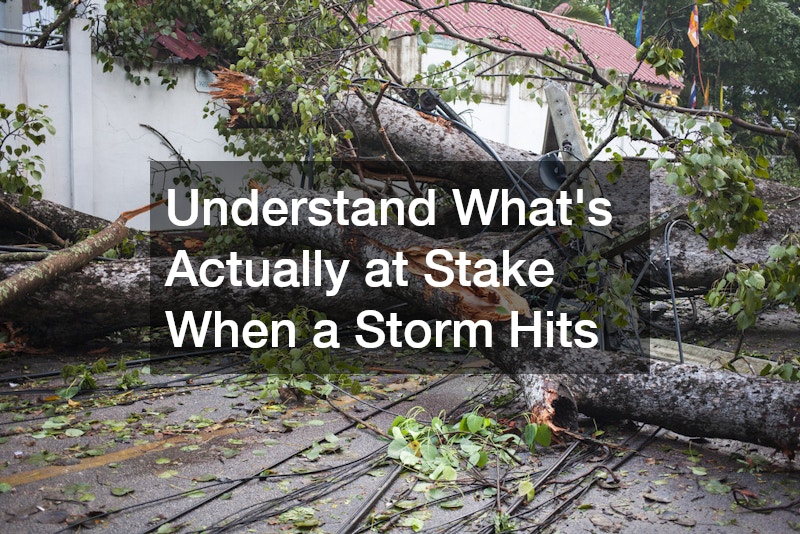
Most homeowners think about storm damage in immediate, visible terms: a missing shingle, a flooded basement, a fallen branch on the fence. But the real financial threat is what happens when that initial damage goes unaddressed or is only partially repaired. Water finds its way into wall cavities. Moisture feeds mold colonies behind drywall. Small cracks in the foundation widen with every freeze-thaw cycle. What started as a manageable repair quietly becomes a five-figure remediation project.
The compounding nature of storm damage is what makes it so financially dangerous. A single weather event doesn’t just cause immediate repair costs; it sets off a chain reaction that affects your home’s structural integrity, indoor air quality, and market value. Buyers and their agents are increasingly savvy about spotting signs of past weather events, and appraisers are trained to discount properties with unresolved or poorly documented damage histories. If you’ve ever sold a home, you know how quickly a negative inspection report can derail a deal or force a price reduction.
Reaching out to storm damage services early, before minor issues compound into major structural problems, is one of the most financially sound decisions a homeowner can make after a weather event. Here’s what’s financially at stake when damage goes unmanaged:
- Appraisal deductions that vary significantly based on the severity and location of damage
- Insurance premium increases or policy non-renewals after multiple claims
- Buyer negotiation leverage that can cost you thousands at closing
- Lender-required repairs that delay or kill financing approvals
- Ongoing structural deterioration that accelerates with each subsequent storm season
Start With Your Roof: It’s Your Home’s First Line of Defense
No single system in your home absorbs more punishment during a storm than the roof. Wind, hail, falling debris, and driving rain all make first contact here, and the condition of your roof directly determines how much of that punishment gets transferred into the rest of the structure. A compromised roof doesn’t just leak — it creates the conditions for every other expensive problem on this list.
When evaluating your roof, the repair-versus-replace decision deserves careful thought. A roof with isolated damage, strong underlying structure, and significant remaining lifespan is typically a good candidate for targeted roof repair service. A roof that’s aging, has widespread granule loss, or has sustained repeated weather events over the years is often better replaced entirely. Patching a roof that’s past its serviceable life is one of the most common and costly mistakes homeowners make — it delays the inevitable while allowing slow damage to accumulate below the surface.
Choosing the right contractor matters as much as choosing the right solution. Working with local roof installation professionals gives you an important advantage: they understand the specific weather patterns, wind loads, and building code requirements in your region. A contractor based in your area has likely worked on homes just like yours, knows which materials perform best locally, and can be held accountable if something goes wrong after installation. National chains and out-of-town storm chasers can’t offer that combination of local knowledge and long-term accountability.
Key questions to ask before hiring a roofing contractor:
- Are they licensed and insured in your state?
- Do they offer a workmanship warranty separate from the material warranty?
- Can they provide local references from projects completed in the past 12 months?
- Do they pull the required permits for the scope of work?
- Are they experienced with insurance claim documentation and adjuster communication?
Know Which Professionals to Call and When
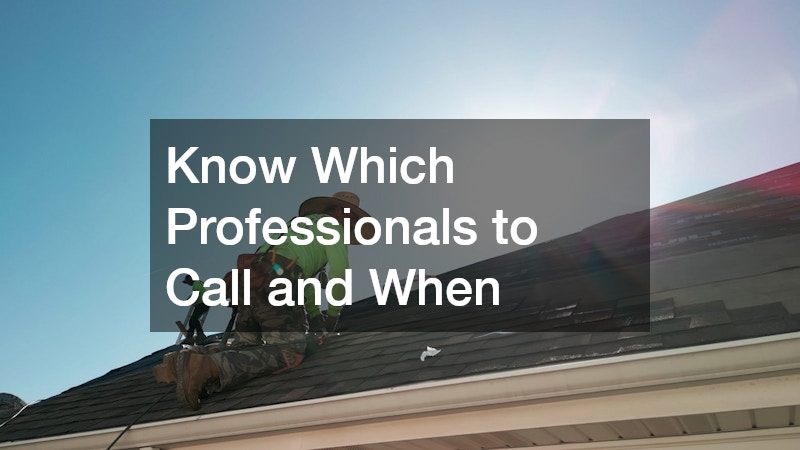
One of the most expensive mistakes homeowners make after a storm is calling the wrong contractor or calling the right one too late. Having vetted professionals identified before storm season gives you a meaningful advantage when damage occurs, and contractors are in high demand.
For homeowners, identifying quality residential roofing companies before you need them is a straightforward investment of time that pays off significantly in an emergency. Look for companies with established local reputations, verifiable licensing, and documented experience handling insurance claims. A contractor who has worked with your specific insurer before can be invaluable in navigating the documentation and negotiation process. Reviews, referrals, and state licensing board verification are all part of a responsible vetting process.
Property investors and owners of mixed-use or non-residential buildings face a different set of considerations. Commercial roofing services involve different materials, system designs, drainage requirements, and code compliance standards than residential work. Flat roofs, membrane systems, and large surface areas require specialized expertise that most residential contractors simply don’t have. If you own rental properties, a small commercial building, or a mixed-use space, working with a contractor who specifically offers commercial roofing services ensures that your repairs meet the right standards and hold up to scrutiny from insurers and building inspectors.
Waterproofing Is a Long-Term Investment, Not a Luxury
Water is the single most destructive force acting on a residential structure over time. It doesn’t announce itself. It seeps through hairline cracks in foundation walls, wicks through porous masonry, and pools in low spots where drainage was never properly designed. By the time visible damage appears inside the home, the infiltration has typically been happening for months or years.
Investing in the best waterproofing restorations for your foundation, basement, and exterior walls is one of the highest-ROI decisions a homeowner can make — particularly in regions prone to heavy rainfall, snowmelt, or flash flooding. Quality waterproofing systems address both the symptom and the source: they redirect surface water away from the structure, seal vulnerable penetration points, and create barriers that hold up over years of weather exposure. Budget waterproofing products applied without proper surface preparation rarely last more than a season or two before failing.
From an insurance and resale perspective, documented waterproofing work adds credibility to your home’s maintenance history. Keep all warranties, product specifications, and contractor invoices. If your home is ever inspected as part of a sale or refinance, evidence of professional waterproofing work signals to buyers and appraisers that the home has been maintained by an owner who understood the value of prevention.
What to Do Immediately After a Storm Strikes
The 24 to 72 hours following a significant weather event are the most financially important window in the entire storm recovery process. What you do — and don’t do — in this period directly affects your insurance claim outcome, your repair costs, and your ability to prevent secondary damage from compounding the original loss.
Professional storm damage restoration is far more comprehensive than most homeowners realize. It’s not simply about removing debris and patching visible damage. Qualified restoration professionals conduct moisture mapping, assess structural integrity, identify hidden water infiltration pathways, and document everything in a format that supports insurance claims. Attempting to handle storm recovery through surface-level cleanup and a few contractor calls often leaves underlying damage unaddressed, which resurfaces months later as mold, rot, or structural failure.
Your immediate post-storm action checklist:
- Photograph and video every area of visible damage before any cleanup begins
- Apply temporary protective measures (tarps, board-ups) to prevent further water intrusion
- Notify your insurance company within the required reporting window
- Avoid signing any contracts with contractors before your insurer has assessed the damage
- Request a written scope of work and itemized estimate from any contractor you engage
- Keep receipts for all emergency expenses, as many policies reimburse temporary protective measures
Don’t Overlook the Trees on Your Property
Mature trees add curb appeal and shade value to a property, but they also represent one of the most underestimated storm liabilities in residential real estate. A large tree with a structurally compromised trunk, significant deadwood, or root systems undermining your foundation isn’t an asset — it’s a ticking liability.
Proactive tree removal of high-risk trees is a financial decision as much as a safety one. The cost of professionally removing a problem tree typically ranges from a few hundred to a few thousand dollars, depending on size and access. Compare that to the cost of storm damage caused by a fallen tree: roof repairs, structural damage, vehicle damage, and potential liability if the tree falls onto a neighbor’s property. In many cases, homeowners who knowingly maintain dangerous trees and fail to act can be held partially liable for resulting damage.
To assess tree risk on your property, look for:
- Large deadwood or significant dieback in the canopy
- Cracks, cavities, or fungal growth at the base of the trunk
- Roots visibly lifting pavement, foundations, or retaining walls
- Trees leaning toward structures, utility lines, or neighboring properties
- History of limb failure during previous storms
If you’re uncertain about a tree’s condition, an ISA-certified arborist can provide a written risk assessment that also serves as documentation if a future insurance claim involves that tree.
Address Water Damage Before It Becomes a Deal-Breaker
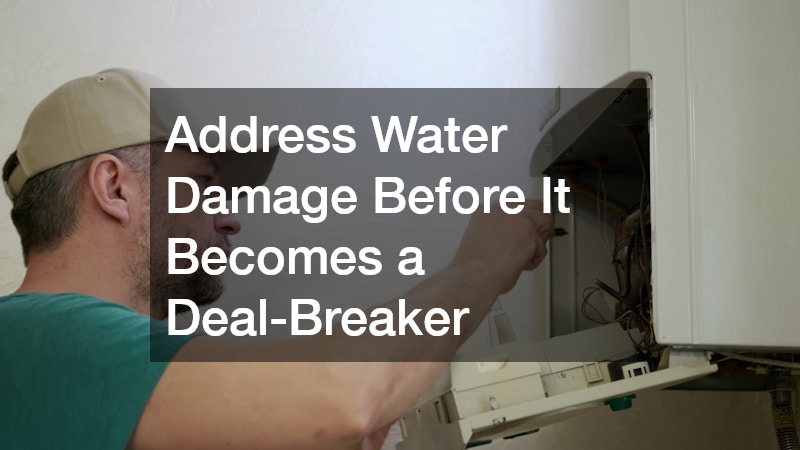
When water damage occurs, whether from a storm, a plumbing failure, or a slow leak, bringing in a professional water damage company is almost always the right call. These specialists use industrial-grade moisture meters and thermal imaging to locate water that has migrated beyond the visible point of entry. They assess what can be dried and saved versus what must be removed, and they document the entire process in a remediation report that becomes part of your home’s maintenance record. DIY cleanup with fans and shop vacs typically addresses the surface moisture without reaching what’s trapped inside wall assemblies and subfloor systems.
From a disclosure and liability standpoint, documented professional remediation protects you. If you sell the home in the future and the buyer’s inspector finds evidence of past water intrusion, a professional remediation report demonstrates that the damage was identified, properly addressed, and signed off by qualified technicians. That’s a very different conversation from unexplained staining with no repair history.
Mold Is the Silent Value-Killer Buyers Fear Most
Of all the issues that surface in a home inspection, mold generates the most emotional and financial reaction from buyers. It triggers health concerns, raises questions about what else might be hidden, and gives buyers enormous negotiating leverage. Even small areas of visible mold growth can send otherwise committed buyers to the exit.
What many homeowners don’t realize is that mold removal companies do far more than apply antimicrobial spray and call it done. Legitimate remediation firms follow established industry protocols — containing the affected area, removing compromised materials, treating surfaces, and conducting post-remediation testing to confirm clearance. The difference between professional remediation and a cosmetic cover-up becomes apparent the moment a knowledgeable inspector starts probing. Sellers who cut corners on mold remediation often face re-disclosure requirements, price renegotiations, or failed transactions when the issue resurfaces during due diligence.
After professional remediation is complete, request a clearance report from an independent industrial hygienist. This document confirms that airborne mold spore counts have returned to normal levels and that the remediation was successful. It’s one of the most valuable pieces of documentation a homeowner can have — both for their own peace of mind and as a disclosure asset when selling.
Storm-proofing your home is not a single task you check off a list. It’s an ongoing commitment to maintaining the structural and financial integrity of your most valuable asset. The homeowners who fare best — financially and emotionally — after severe weather are the ones who made decisions before the storm: the right contractors identified, the right systems maintained, the right documentation kept.