

You have found the right house, negotiated a fair price, and started picturing your furniture in the living room. Then the home inspection turns up a cracked heat exchanger, an outdated electrical panel, or a roof with only a few years of life left, and suddenly your lender wants answers before they will approve your loan. Unexpected repair costs do not just threaten your renovation budget, they can stall or sink your mortgage approval entirely. Understanding which repairs raise red flags with underwriters, and how to address them quickly, can mean the difference between closing on time and losing the home altogether.
Why Lenders Care About Home Condition Before Closing

Mortgage lenders are not just financing a purchase price, they are securing that loan against the physical property itself, which means the home’s condition directly affects their risk. If an appraiser flags major deferred maintenance or safety issues, the underwriter may require repairs to be completed, or funds set aside, before the loan can fund. This is especially common with government backed loans like FHA and VA, which have strict property standards. A home that looks move in ready on the surface can still hide expensive problems that surface during inspection or appraisal.
- Appraisers note visible damage, missing handrails, exposed wiring, and roof deterioration
- FHA and VA loans require the home to meet minimum property standards, not just market value
- Conventional loans give more flexibility but lenders can still request repairs for safety issues
- Unresolved issues can delay closing by weeks or push your rate lock past its expiration
How a Failing Roof Can Stall Your Loan
Roofing problems are one of the most common reasons a mortgage application hits a snag, because lenders view a compromised roof as an immediate threat to the structure underneath it. If an inspector notes missing shingles, sagging areas, or signs of active leaks, the underwriter will likely ask for a professional evaluation before moving forward. Getting a quote from the best roofing company in your area early in the process can help you negotiate repairs with the seller or budget for the work yourself. Waiting until the week before closing to address roof concerns almost always creates unnecessary stress and delays.
- Ask for a written roof certification stating the remaining expected lifespan
- Request repair estimates before your appraisal contingency deadline passes
- Consider negotiating a credit at closing instead of delaying the sale for repairs
Electrical Panel and Wiring Issues That Raise Red Flags
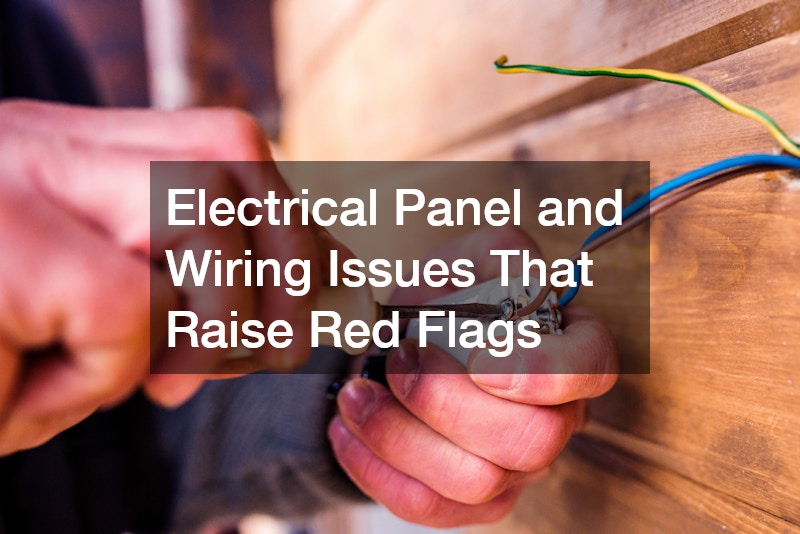
Outdated electrical systems are another frequent cause of mortgage complications, particularly in homes built before the 1980s. Knob and tube wiring, aluminum wiring, or an overloaded panel can all trigger a lender requirement for further evaluation by a licensed residential electrician. Federal Pacific and Zinsco panels, both common in mid-century homes, are especially notorious because their breakers can fail to trip during an overload, and many insurers will refuse coverage until the panel is replaced.
These issues matter because they represent genuine fire hazards, not just cosmetic concerns, so underwriters take them seriously. A 100-amp panel might have been adequate decades ago, but modern households running HVAC systems, electric ranges, and multiple high-draw appliances often need 150 or 200 amps of capacity. If the appraiser flags visible signs of an outdated system, the underwriter may pause the loan until a licensed professional confirms the home’s electrical infrastructure is safe and sufficient.
Getting an inspection report from a qualified electrical service before your loan contingency period ends gives you leverage to negotiate repairs or a price reduction with the seller. Full panel upgrades typically run between $1,500 and $4,000 depending on amperage and local labor rates, while rewiring an entire home can cost significantly more. Requesting quotes from two or three electricians ensures your negotiating position reflects realistic market pricing rather than a single estimate, and it gives you documentation to present directly to your lender if further proof of resolution is required.
- Federal Pacific and Zinsco panels are commonly flagged for fire risk and often require full replacement, typically costing $1,500 to $3,000
- Two-prong outlets without grounding may signal outdated wiring throughout the home, which underwriters may interpret as a systemic issue rather than a single fix
- Aluminum branch wiring from the 1960s and 70s is another red flag, since it’s linked to loose connections and overheating at outlets
- Double-tapped breakers and missing panel labels can also raise concerns during inspection, even if the panel brand itself isn’t blacklisted
- A licensed inspection report carries more weight with underwriters than a verbal assessment, so get findings documented in writing before submitting your loan file
- Getting a licensed electrician’s repair estimate upfront can help you negotiate seller credits or price reductions instead of losing the deal entirely
Plumbing Problems That Can Slow Down Underwriting
Plumbing issues rarely make headlines the way a collapsed roof does, but they can be just as disruptive to your approval timeline. Polybutylene pipes, active leaks, or corroded galvanized lines are all things an inspector will note, and lenders often want documentation that the system is functional and safe. Even something as small as a slow drain or a water heater past its expected lifespan can trigger a request for further evaluation before underwriting moves forward.
The dollar amounts involved can vary widely depending on scope. A minor leak repair might cost a few hundred dollars, while a full repipe of an older home can run anywhere from $4,000 to $15,000 or more, depending on square footage and pipe material. Underwriters aren’t necessarily scared off by the repair itself, but they want assurance that the cost won’t leave the buyer overextended or the property undervalued.
Bringing in local plumbing contractors for a second opinion can clarify whether the issue is a quick fix or a full repipe, which makes a significant difference in negotiations. A written estimate from a licensed professional carries far more weight with a lender than a verbal assessment, and it can also serve as leverage if you’re asking the seller to reduce the price or complete repairs before closing.
In many cases, sellers are willing to cover plumbing services costs rather than lose a qualified buyer over a repair credit. Timing matters here too — since plumbing repairs can take anywhere from a day to several weeks depending on permitting and materials, getting quotes early keeps your closing date from slipping.
- Ask for a plumbing scope inspection if the home is older than 40 years, since cast iron and clay pipes commonly fail around the 50-year mark
- Water pressure issues can indicate hidden pipe damage not visible during a walkthrough — anything below 40 PSI or above 80 PSI is worth flagging to your inspector
- Watch for galvanized steel supply lines, which corrode from the inside out and often need full replacement rather than spot repairs
- Get at least two repair quotes before agreeing to a seller credit amount, since plumbing estimates can vary by thousands of dollars depending on access and pipe material
- Confirm whether the sewer line has been scoped, as tree root intrusion or collapsed clay pipe can cost $5,000–$15,000 to fix and stall underwriting until resolved
HVAC System Failures and Their Effect on Appraisal Value

Heating and cooling systems are expensive to replace, and appraisers factor their condition directly into the home’s overall valuation. If a furnace is decades old or an air conditioning unit is inoperable during inspection, the appraised value can come in lower than the purchase price, which creates a financing gap you will need to cover. Reaching out to an established HVAC company for a repair versus replacement estimate helps you understand the real cost before you commit to closing. In some cases, working with HVAC contractors to schedule a quick repair can be enough to satisfy the lender’s conditions without a full system replacement.
- Ask the seller for maintenance records showing the system’s service history
- A non functioning system during appraisal season can delay the entire loan timeline
- Energy efficient upgrades sometimes qualify for renovation loan add ons
Foundation and Structural Concerns That Trigger Extra Scrutiny
Cracks in a foundation, uneven floors, or doors that no longer close properly can prompt an appraiser to recommend a structural engineer’s evaluation before the loan moves forward. Even hairline cracks wider than 1/8 inch, sloping floors that vary more than an inch over 20 feet, or windows that stick in their frames can be enough to raise a red flag. Appraisers aren’t structural experts themselves, so their job is simply to notice warning signs and pass the concern up the chain rather than make a final call.
This extra step adds time to your closing timeline, often two to four weeks depending on the engineer’s availability, and can cost anywhere from $300 to $800 out of pocket for the inspection alone. If the engineer’s report recommends repairs, lenders typically require proof that the work has been completed, or funds held in escrow, before they’ll clear the loan to close.
Skipping this step is not an option once a lender flags the concern, since underwriters won’t approve financing on a property whose structural soundness is in question. Structural issues are treated differently than cosmetic ones because they affect the long-term safety and value of the collateral securing your loan, not just its curb appeal. A house with a failing foundation can lose tens of thousands of dollars in value, which directly threatens the lender’s ability to recoup its investment if the borrower defaults.
Buyers should factor in this possibility when setting their inspection contingency timeline, especially with older homes or properties in regions with expansive clay soil, which is notorious for causing foundation movement. Building in an extra one to two weeks of contingency time, and asking the seller upfront about any past foundation repairs or warranties, can prevent this scenario from derailing your closing date entirely.
- Hairline cracks under 1/8 inch are usually cosmetic, but stair step cracks in brick or block foundations often signal soil movement or settling
- Cracks wider than 1/4 inch, or ones that run diagonally across a wall, tend to draw the sharpest underwriter attention
- Sticking doors and windows, uneven floors, or gaps around window frames can indicate settling that warrants further investigation
- Appraisers are trained to flag these signs, and lenders may pause the loan until the cause is explained
- A structural engineer’s inspection typically costs $300 to $700 and can determine whether movement is active or historical
- A structural engineer’s letter confirming the foundation is stable can sometimes satisfy the lender without requiring repairs
- If repairs are needed, lenders often require proof of completion or funds held in escrow before closing
Water Damage and Mold Findings During Inspection

Water intrusion is one of the trickiest issues to navigate during a home purchase because its visible signs, like a small stain on a ceiling, often hint at a much larger hidden problem. Lenders and appraisers take mold seriously, since it poses health risks and can indicate ongoing moisture issues within the walls or foundation. Bringing in damage restoration companies to assess the scope of the problem gives both buyer and lender a clear picture of what remediation will actually cost. Skipping this step and hoping the issue is minor is a common mistake that can resurface later as a much larger repair bill.
- Mold remediation costs vary widely depending on the affected square footage
- Ask for moisture meter readings, not just a visual inspection, in damp areas
- Get remediation completed and documented before your final loan approval walkthrough
Flooring Damage That Affects Both Value and Loan Terms
Damaged or worn flooring might seem like a purely cosmetic issue, but it can still affect your mortgage process if the damage is extensive enough to raise questions about what is underneath it. Warped or buckling wood floors sometimes point to moisture problems below the surface, which is exactly the kind of thing an appraiser is trained to flag. Cupped edges, dark staining along seams, or a soft, spongy feel underfoot are all signs that water has gotten into the subfloor at some point, and appraisers who spot these clues often note them directly in their reports.
That kind of note can trigger a lender request for further inspection before the loan moves forward, adding weeks to a timeline that’s already on a deadline. Even a $2,000 to $5,000 flooring repair can hold up closing if the underwriter wants proof the underlying cause has been resolved, not just patched over cosmetically.
Consulting a hardwood floor contractor before closing can help determine whether the issue is surface level or connected to a larger structural or moisture concern. A qualified contractor can also tell you whether the affected boards can be spot-repaired or whether a full section needs to be replaced, which has a real impact on both cost and how convincing the fix looks to an appraiser. In some cases, they’ll recommend bringing in a moisture specialist first, since fixing the floor without addressing a plumbing leak or poor drainage underneath it just invites the same damage to return.
Addressing it early, rather than discovering the true cause after you move in, protects both your investment and your loan approval timeline.
- Cupping or warping in wood floors often signals excess humidity, a slow leak, or poor subfloor ventilation—not just age or wear
- Underwriters and appraisers may flag visible warping as evidence of an unresolved moisture problem, which can trigger a lower valuation or a lender-required inspection
- Refinishing costs (typically $3-$8 per square foot) are far lower than full replacement if the subfloor is intact, so confirming subfloor condition early can save thousands
- Get a moisture reading on the subfloor before assuming cosmetic damage is minor—readings above 16-18% often indicate an active or recent leak
- If moisture levels are high, lenders may require proof of repair and a follow-up inspection before closing, delaying the loan timeline
- Document the source and fix (e.g., repaired plumbing, added ventilation) to reassure both the appraiser and underwriter that the issue won’t recur
Getting Fast, Reliable Repair Estimates Before Your Deadline
Once an issue is flagged, the clock starts ticking, and buyers often underestimate how long it takes to schedule inspections and get written estimates. Reaching out to local contractors as soon as a concern is identified, rather than waiting for the seller to arrange their own inspection, keeps you in control of the timeline. Multiple quotes also give you negotiating leverage, whether you are asking for a price reduction, a repair credit, or requesting the seller complete the work before closing. Being proactive here often saves the entire transaction from falling apart over a solvable problem.
- Request itemized written estimates rather than verbal ballpark figures
- Ask contractors directly whether the repair could affect the appraisal outcome
- Keep copies of every estimate and report for your lender’s file
Unexpected repair costs do not have to end your home purchase, but they do require a fast, informed response to keep your mortgage approval on track. The sooner you identify a problem and bring in qualified professionals for accurate estimates, the more negotiating power and control you retain over the outcome. Talk to your lender as soon as an issue surfaces so you understand exactly what they need to see before closing. Taking action early is the single best way to protect both your timeline and your investment.